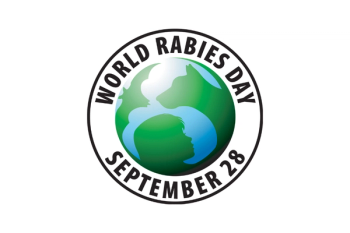
With a significant increase in rabies exposures this year, Rodney Rohde, PhD, talks about seeking medical attention after animal interactions as well as clinical treatment when people have been bit or scratched.
A mosquito-borne illness has infected hundreds in Hawaii, and it's not Zika.
A mosquito-borne illness has infected hundreds in Hawaii, and it’s not Zika.
The Dengue virus can be caused by either Aedes albopictus or Aedes aegypti mosquitos — the latter being the same kind that’s been transmitting the Zika virus across Central and South America. Like the Zika virus, there is no preventive vaccine or specific treatment for dengue.
As of February 19, there have been 259 confirmed dengue cases in this Hawaiian outbreak. Illness onset for 257 of those patients occurred from September 11, 2015 to February 8, 2016. The good news is that all of these patients have since been treated and are no longer infected. However, two additional individuals presented with symptoms from February 9 to 13.
On February 8, Hawaii County Mayor, Billy Kenoi, declared a state of emergency.
Dengue can be caused by four closely-related viruses. Signs and symptoms of the infection are similar to other infections — high fever, severe headache, rash, low white cell count, mild bleeding, and pain in the eye, joint, muscle, and/or bone pain.
“Reducing the mosquito population and protecting people from mosquito bites is the only way to break the cycle of dengue infection and transmission;” Kenoi said in a
This isn’t the first time that the virus has attacked Hawaii. In 2001, there was an outbreak on Oahu that was primarily spread by Aedes albopictus mosquitos. It has yet to be determined which species is responsible for the current dengue outbreak.
Without a vaccine or treatment, mosquito control is the best preventive weapon. Residents and travelers in Hawaii should