
The latest CDC numbers show a 5.37% increase of measles cases from week-to-week. In Pennsylvania, the fourth measles-related death was reported in 2026. Additionally, the CDC has made a change in the way it will report deaths.
The latest CDC numbers show a 5.37% increase of measles cases from week-to-week. In Pennsylvania, the fourth measles-related death was reported in 2026. Additionally, the CDC has made a change in the way it will report deaths.

A "Clinician Outreach" from the Centers for Disease Control and Prevention (CDC) in April anticipated an increase in rabies exposures, and the striking surge in case reports this summer prompted a recent health advisory alert from the federal agency.

Reported cases of Legionnaires’ disease have been on the rise for the past decade, and identifying Legionella bacteria requires specialized testing in the microbiology lab. Here is a clinical overview of Legionella bacteria, including required testing, treatment, and reporting to public health officials.

A retrospective multihospital study found that severe adverse events occurred at similarly low rates with ceftriaxone and other IV cephalosporins suggesting there is no evidence to support avoiding ceftriaxone despite recent health department safety alerts.

The 18-year old resident of the state suffered from acute disseminated encephalomyelitis. Pennsylvania numbers are surging with some of the highest state totals of measles cases in the country.

In its second disease cluster this summer, city officials are cleaning building towers in the South Bronx amidst an ongoing investigation and are rolling out measures to prevent future Legionnaires' cases.
New gyrA testing guides ciprofloxacin use for gonorrhea, cutting ceftriaxone reliance while tackling resistance, access, and FDA hurdles.

16 years after the FDA determined that it does not, a new analysis of trials comparing cefepime with other ß-lactams, including the unpublished industry sponsored trials reviewed by the FDA, disagrees.

The death was reported in Jefferson County where the coroner released a statement announcing it was in an unvaccinated woman.
Congenital measles is a serious infection that can occur when a pregnant woman contracts measles near delivery and transmits the virus across the placenta to her newborn. Here is more information around this rare form of the disease.

A retrospective study of 225 patients across Cook County Department of Health clinics found that the novel 1-month 1HP regimen (isoniazid plus rifapentine) for latent TB infection had a completion rate comparable to standard longer regimens and was well tolerated, suggesting it may be a viable shorter alternative.

In our latest FAQ, we look to provide information around these topics that seemingly have been in the news throughout much of the summer.

Food expert Lynette Johnston, PhD, provides some context around the ongoing outbreak, discusses prevention, and compares 2026 food recalls with previous years.
FDA approved updated 2026-2027 COVID-19 vaccines from Pfizer-BioNTech, Moderna, and Novavax's partners, all reformulated to target the XFG variant, giving clinicians several options ahead of the fall respiratory virus season.

Here is a review of glucagon-like peptide-1 receptor agonist use in people with HIV.

The Peggy Lillis Foundation will host its 17th Annual Changing the Odds Gala this month in New York City, and it will include a casino, fellowship amongst the C diff community, and an award ceremony honoring a physician-scientist, philanthropist, a researcher, and a patient advocate for their contributions to C difficile awareness, treatment, and prevention.

Preliminary REMAP-CAP data suggesting oseltamivir may increase mortality in critically ill ICU influenza patients has sparked polarized reactions, but clinicians should await the full peer-reviewed manuscript before drawing broad conclusions, since the signal comes from a narrow, severely ill population and may reflect a therapeutic window effect rather than a blanket lack of efficacy.

Resistance-guided testing targeting a single gene mutation could let clinicians safely reintroduce ciprofloxacin for the majority of gonorrhea cases still susceptible to it, sparing ceftriaxone as resistance climbs worldwide. Lao-Tzu Allan-Blitz, MD, MPH, offers insights into his work in this area.

Here's the latest on the cyclosporiasis and jalapeño-linked Salmonella case numbers, plus an update on the resolved avocado inspection halt. Also included is information on a bacterial infection linked to shellfish, and a look at efforts affecting cyclosporiasis research.

Adding bismuth to amoxicillin-vonoprazan increased efficacy of the combination for H pylori, and exceeded that of clarithromycin-based triple therapy without contributing to clarithromycin resistance.

In the third episode of the series with Perry N. Halkitis, PhD, MS, MPH, he discusses how human behavior as well as other factors play a significant role in repeating outbreaks.

Editor in chief Jason Gallagher, PharmD, FCCP, FIDP, FIDSA, BCPS, discusses the proposed OMB rule restricting federal grants for international research collaboration, and how it threatens infectious disease medicine's inherently borderless surveillance networks, publication access, and knowledge-sharing systems.
The Vaccine Integrity Project, in collaboration with the American Medical Association, conducted a vaccine and immunization effectiveness and safety review for RSV, Influenza, and COVID-19 for the 2026-2027 season. JAMA published the review, and here is an overview of the data going into this year's seasonal respiratory virus season.

Kofinas Mediterranean olive oil was recalled over an unapproved garlic flavoring ingredient, and a new update on Lundberg Family Farms' jasmine rice recall tied to foreign material contamination.

The expanding gram-negative antibiotic pipeline offers important new treatment options; however, FDA approval alone does not define a drug’s place in therapy. Clinicians must weigh the clinical problems that each agent solves, the strength of the evidence behind it, and what remains unknown before incorporating these therapies into routine practice.
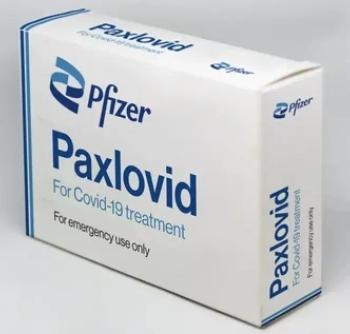
The antiviral did not produce greater symptom improvement than placebo in patients with the condition in the RECOVER-VITAL trial.

GSK will advance its investigational mRNA seasonal flu vaccine candidate, which targets both hemagglutinin and neuraminidase, into a phase 3 trial in September 2026 after the shot outperformed licensed flu vaccines in a phase 2 study.

Vibrio species are bacteria that live in saltwater environments. When ingested orally or through contact with open wounds, some species can cause severe life-threatening infections, particularly in those with high-risk conditions, such as liver disease. Here is a review of Vibrio vulnificus and the recommended antibiotic treatment.
Here is a comprehensive list of vaccines approved this year as well as background information on the clinical data for each of them.

A shortened, response-tailored antibiotic treatment of infective endocarditis was associated with longer survival, but higher incidence of relapse.