

A new study finds that personalized gut microbiome models may predict C difficile colonization risk and guide targeted probiotic treatment.
Abene is currently a freelance writer and editor who contributes to Contagion. She is the former Assistant Editor for Contagion. She can be emailed at: sophiaabene@gmail.com.
A new study finds that personalized gut microbiome models may predict C difficile colonization risk and guide targeted probiotic treatment.

Sharon Nachman, MD, breaks down the latest on Stratus and Nimbus variants and what families should consider as schools resume.

Vir initiates phase 2b head-to-head trial of novel combination therapy vs bulevirtide.
Pediatric infectious disease expert Sharon Nachman, MD, explains how to identify symptoms, assess travel risk, and prevent mosquito-borne illness in kids.

This week, from synthetic biosecurity concerns to gaps in maternal hepatitis C screening, rising COVID cases, antimicrobial resistance, fast-tracked CF therapies, and more.

After a three-month review, the FDA and EMA have cleared continued use of IXCHIQ in adults 60+, adding new safety warnings for elderly individuals with chronic conditions.
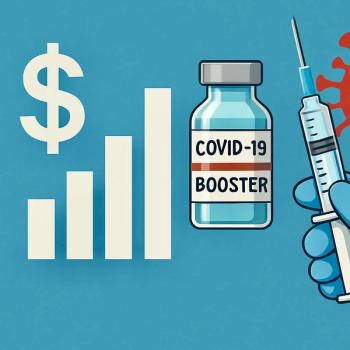
Cost-effectiveness of COVID-19 vaccination in older adults amid rising US cases and limited booster access.
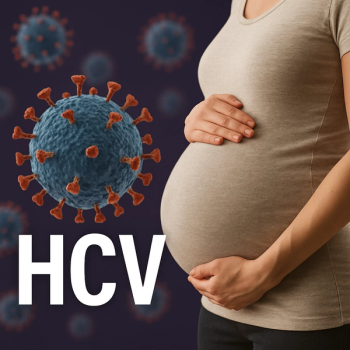
Despite updated guidelines for universal hepatitis C virus screening in pregnancy, testing rates remain well below targets, missing chances to prevent perinatal transmission.
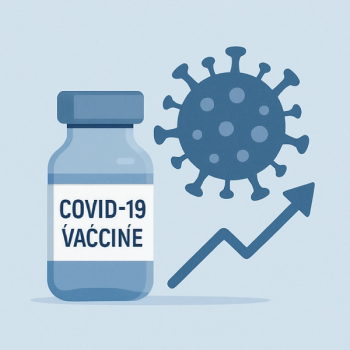
Low vaccine uptake, immunity gaps, and new antiviral data raise alarms ahead of a potential late-summer surge.

Tennessee, New Jersey, North Carolina, and South Carolina were evaluated by Alexandra Kurutz, MPH, and Simone Godwin, DVM, MPH, MS, CIC, in a review of C auris containment efforts in dialysis facilities using standard IPC measures.
This week, individualized training in high-volume transplant care, reassuring data on aluminum vaccine safety, smarter antibiotic stewardship, and more.

Two deaths and eight infections in Italy highlight the need for enhanced surveillance, proactive vector control, and cross-border collaboration in Europe and beyond.

Epidemiologist Anders Peter Hviid leads research reassuring vaccine safety across autoimmune, allergic, and neurodevelopmental disorders.

Vinay Prasad’s, MD, MPH, short tenure marked by tough regulatory decisions and political pushback; the Trump administration has not yet named a successor for the CBER director role.

Ep 2, Part 1 of 4: How infectious diseases may fuel global instability in a conversation with psychiatrist Robert Bransfield, MD.

Global modeling identifies vertical transmission burden and underscores need for maternal screening policies.
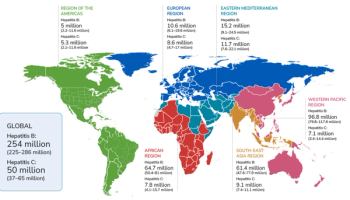
First representative data highlight regional and demographic variations, underscoring the need for enhanced vaccination and targeted interventions.
This week, AI speeds antibiotic discovery, Temple’s ID team celebrates tradition, EDs boost Hep C detection, thimerosal exits flu shots, and the pandemic’s silent toll on brain health emerges.

A long-acting HIV-1 capsid inhibitor demonstrates over 99% efficacy, paving the way for expanded access to adults and adolescents across the EU and low-income countries.

At ASM Microbe 2025, Pelumi Oladipo discusses E marmotae’s reduced motility, misidentification as E coli, and the diagnostic tools closing the gap.
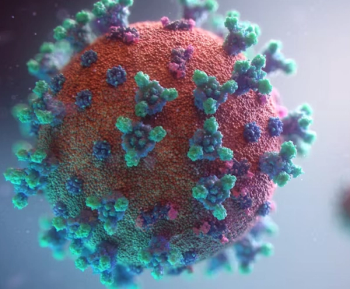
New research reveals accelerated brain aging in healthy adults during the COVID-19 pandemic, highlighting broader neurological and social effects.

Lin Zhu explains why testing alone will not achieve HCV elimination without better access and integrated care.
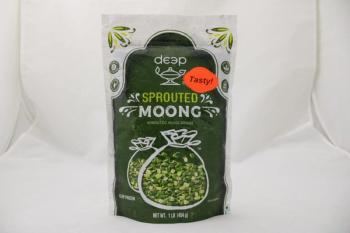
CDC reports 11 people sick across 10 states with Salmonella linked to frozen sprouted beans causing diarrhea, fever, and severe illness in vulnerable groups.

Presented at ASM Microbe, Pelumi Oladipo's study identifies the first North American human case of E marmotae infection and introduces methods to improve species-level diagnosis.

Jason Haukoos, MD, on how the DETECT Hep C trial leverages 24/7 emergency care to reach vulnerable patients.

Edward Weinstein, MD of Pfizer, says longer courses may benefit severely immunocompromised patients, even without major gains in viral suppression.
This week, the first US study screening hepatitis B and D concurrently found that 2.2% of HBV-positive samples had HDV antibodies, the FDA approved GSK’s Shingrix, and more.

Luisa M Stamm, MD, PhD, further discusses MK-8527 and islatravir-based regimens in HIV research.

New evidence-based recommendations prioritize timely, targeted therapy and a symptom-focused classification to optimize treatment outcomes and antimicrobial stewardship.

At IAS 2025, ViiV’s Jean van Wyk, MBChB, MFPM, shares how real-world data and patient priorities are guiding a new era of HIV care.