









































































































A new first-of-its-kind global registry aimed at sharing real-time information on hospital care and ICU admissions could expand the scope of SARS-CoV-2 research.
A new first-of-its-kind global registry aimed at sharing real-time information on hospital care and ICU admissions could expand the scope of SARS-CoV-2 research.
A briefing on the day's top stories.
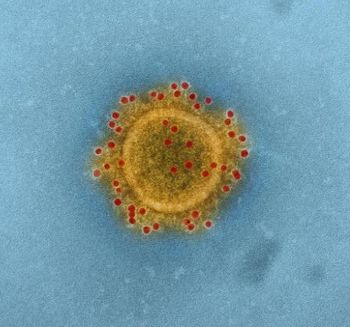
In an in vitro reconstituted human respiratory epithelium model, the investigational drug inhibited replication of the novel coronavirus.

In the first part of a discussion with the medical oncologist from UPMC Hillman Cancer Center, Brufsky discusses the potential role of hyperglycemia in severity of COVID-19.
The first-of-its-kind, randomized, placebo-controlled, phase 1/2a trial will assess patients hospitalized at Florida and South Dakota institutions.
New findings comparing cases since February to the last half-decade show the rate and severity of the rare inflammatory disease recently spiked in children.
Vaccine candidate mRNA-1273 has been granted Fast Track designation by the US FDA.
A summary of today's top stories.
Paul Sax, MD, discusses remdesivir, scientific literature in the age of COVID-19, and the pandemic's long-lasting effects on the future of health care.
A series of essays consider the privileges and ethics of an immunity-based "passport" to proceed with fewer restrictions in the age of COVID-19.
Treating severe COVID-19 patients with lopinavir-ritonavir did not have any significant effect compared to standard-care control patients.

A quick summary of the day's infectious disease headlines.
The agency provided 2 new recommendation guidelines for sponsors looking to assess potential preventive and therapeutic agents for the coronavirus.
What is the hopeful expectation of the new candidates, relative to previously developed vaccines?

Rodney E. Rohde, PhD, discusses the challenges our shortage of medical laboratory specialists creates for the COVID-19 response.
Contact tracing allows epidemiological response by not only notifying people of exposure so they can quarantine, but also understanding potential exposure dynamics that allowed for disease transmission.
A brief summary of our daily coverage.
The Rutgers laboratory is now authorized to receive and test collected, prescribed samples of either nasal or saliva samples for possible COVID-19.
Preventive medicine expert William Schaffner, MD, discusses what it will take for investigators to properly assess and manufacture a vaccine.
The opening of this new category of coronavirus testing makes antigen the third type authorized by the FDA, following polymerase chain reaction and serological tests.

Medical journal editors call for managed expectations for the numerous clinical trials that will soon release results on potential COVID-19 treatments.
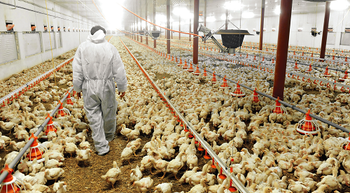
The bacterial pathogen Campylobacter jejuni has developed chicken and cattle specific strains since the rise of 20th century livestock farming.
A quick video summary of today's COVID-19 headlines.
An assessment of 1300 hospitalized patients in New York shows the rheumatic drug is neither beneficial nor harmful to reducing mortality from coronavirus.
The device, which uses a sample collected from the patient’s nose with a nasal swab and saline, will allow patients to collect their own sample and return it to a Rutgers laboratory in a sealed package for testing.