



























































































































A late-breaking IDWeek 2022 study found high seroprotection was achieved among people living with HIV after receiving 3 doses of a hepatitis B vaccine.
A late-breaking IDWeek 2022 study found high seroprotection was achieved among people living with HIV after receiving 3 doses of a hepatitis B vaccine.

Over the past decade, the number of cases of hepatitis A infection at a Turkish hospital has decreased, but a growing proportion of cases come from migrants to the country.
A new review article suggests it is possible to eradicate hepatitis C virus infections among people with hemophilia, but it will take intense focus from public health agencies.
Hepatitis A infections occurred almost exclusively among adults in states with outbreaks.

These were our most popular articles this week. Catch up with these trending infectious disease stories.
“Too few persons are receiving timely treatment” with direct-acting antiviral for hepatitis C based on their first positive test result, the study authors wrote.

The FDA cleared zetomipzomib as an Investigational New Drug. A phase 2 clinical trial is the next step for this autoimmune hepatitis treatment.

Oral antibiotics after partial completion of intravenous regimen for S aureus bacteremia improves outcomes of persons who inject drugs (PWID), which is a population that often has limited access to treatment.
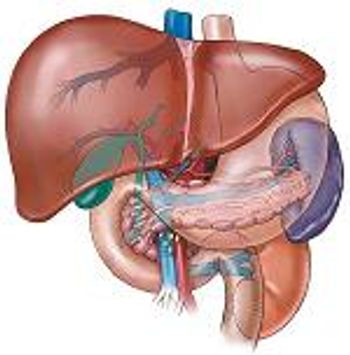
Bulevirtide, a first-in-class entry inhibitor, showed promise for the treatment of hepatitis B and hepatitis D coinfection, a phase 2 trial found.

Yasaswi Kislovskiy, MD, MSc, specialized in reproductive infectious disease to advocate for gender equity in health care.

Experts are advocating for occult hepatitis B to be spotlighted.

Occult HBV infection is likely to go undetected in under-resourced regions of high HBV endemicity and confound WHO goal to eradicate the viral hepatitis by 2030.

With an all-ready challenging patient population to treat, having a program to get more people into treatment can be helpful in an underserved group.

Among pregnant women coinfected with HIV, a higher hepatitis C viral load increased the likelihood of transmitting HCV to children.

However, according to one study the risk of heart inflammation increases with age and amplifies in patients with hepatitis C (HCV) compared to patients without HCV.
A meta-analysis study shows having the comorbidity presents significant health risks for this patient population.
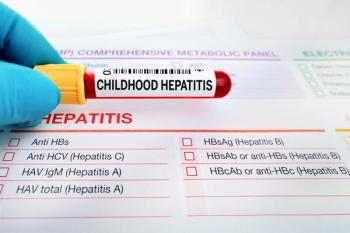
Adenovirus was determined to have caused most cases of hepatitis of unknown origin in children.

The same 5-year survival rates with kidney transplants from HCV positive and negative donors supports revising HCV "penalty" in ranking donors.

WHO and CDC have laid out some ambitious goals for the treatment of hepatitis C, and HCV co-discoverer and vaccine developer Michael Houghton, PhD, offers some insights and commentary on whether he feels it is realistic to consider the eradication of this stubborn and subtle virus.

The Liver Health Initiative’s Thelma King Thiel, and HCV co-discoverer and vaccine developer Michael Houghton, PhD, are a “Dynamic Duo” that are working together to bring about an end to this virus.
Nobel Prize Laureate Michael Houghton, PhD, discusses the arduous journey to find the virus and a subsequent investigational vaccine designed to prevent hepatitis C (HCV).

Injection drug users who received accessible care treatment at a syringe service program were almost 3 times as likely to complete their hepatitis C treatment than people who received usual care.

Catch up on all the important news and clinical care topics you may have missed this week.

Reviewers weigh evidence for the benefit of oral PrEP protection from HIV with risk of exacerbating hepatitis B.

A new report underscores a persistent problem of patients not receiving antivirals despite their high curative rate.