We may have made advancements in biotechnology; however, the actual application of diagnostics, vaccines, and drugs during an outbreak is often delayed and sub-par. The growing applications of genome editing mechanisms such as clustered regularly interspaced short palindromic repeats (CRISPR) is also considered a concern for intentional bio-attacks. The do-it-yourself genome editor with nefarious intentions has many worried about what might be cooked up in some one’s home lab.
Aside from the concerns about biological attacks, Bill Gates makes a pivotal point regarding the link between health security and international security. He recently wrote an article for TIME magazine the cuts made to foreign aid and how that makes America less safe. Compared to Price-Smith, Gates is much more of a pragmatist in terms of the impacts that infectious diseases and global health issues have on American safety. Will an outbreak in Uganda result in an economic crisis or war in the United States? Chances are pretty slim, but what Gates hones in on is the rippling effect that these outbreaks and public health crises have across the globe.
That old saying, “an outbreak anywhere is an outbreak everywhere” has a lot of merit in today’s overly connected world. The American HIV/AIDS program, PEPFAR, is a great example in that it has helped 11 million people survive HIV diagnosis by way of providing medication. PEPFAR has some fascinating secondary outcomes though, as Gates notes, “political instability and violent activity in African countries with PEPFAR programs dropped 40% between 2004 and 2015. Where there was no PEPFAR program, the decline was just 3%.”
When we focus on infectious diseases and pull back the reigns they have on so many countries, we see an increase in teachers, police officers, health-care workers, and more as people are able to survive, educate, and thrive. Additionally, if children survive to adulthood, parents may decide to have fewer children since they are confident in their health and survivability, which means the burden of feeding, housing, and on resources are less strained.
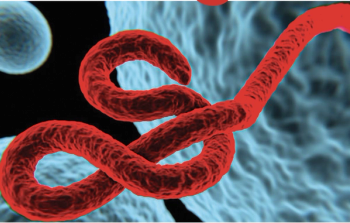
Unfortunately, this is just the tip of the iceberg in terms of the impact infectious disease plays on global issues. Ebola is a prime example of an outbreak in a foreign country impacting American safety. Preparedness for Ebola alone cost US hospitals $360 million. The issue is that we often look at infectious diseases as single events—a single outbreak of an emerging infectious disease, a single attack with anthrax, or a single laboratory failure. It is important to address the full spectrum of infectious disease threats to global health because global health security translates to overall international security.