|Articles|July 19, 2017

Brazil Yellow Fever Outbreak Persists Although Number of Cases Has Stabilized

Author(s)Einav Keet

Although the yellow fever outbreak that has affected several Latin American countries has eased since the end of summer, health officials say new cases are still springing up in some areas.

The Pan American Health Organization (PAHO) has released a new situation summary on the yellow fever outbreaks affecting parts of South America and Africa; meanwhile, Brazil is now seeing relief for the first time since its biggest outbreak of the virus in decades first sprung up in December 2016.

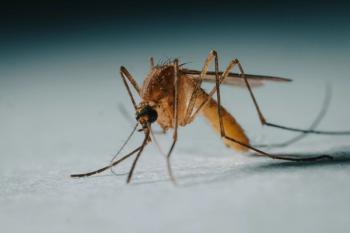
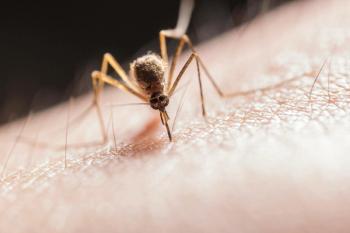
Each year, there are nearly 200,000 cases of yellow fever around the world, leading to an estimated 30,000 deaths. The disease is endemic to the tropical areas of Latin America and Africa, where it is transmitted by infected mosquitoes. Within 3 to 6 days of being bitten by an infected mosquito, symptoms such as fever, headache, muscle aches, nausea, and vomiting can present and last for as long as 3 to 4 days. While yellow fever symptoms are similar to malaria and other viral hemorrhagic fevers, such as dengue or hantavirus, about 15% of individuals infected with yellow fever go on to develop more serious symptoms, entering a toxic phase that kills up to half of those infected, within just 7 to 10 days.

A new epidemiological update released by PAHO on July 10, 2017, details the yellow fever situation in Brazil, Colombia, Ecuador, Peru, and the Plurinational State of Bolivia from epidemiological week 1 to 26 of 2017. In Brazil, which has been experiencing its biggest yellow fever outbreak since the 1940s, the Brazilian Ministry of Health has reported 3,240 suspected cases of the virus since the current outbreak began in December of 2016. Of those cases, Brazilian health officials have confirmed 792, discarded 1,929, and are investigating another 519 cases. The confirmed cases occurred in 130 municipalities spanning 8 states, and the country has seen 435 outbreak-associated deaths, 274 of which have been confirmed, 124 discarded, and 37 are under investigation. The new report notes that the case fatality rate among confirmed cases is 35%.

In its recent update on the yellow fever outbreak in Brazil, the International Federation of Red Cross and Red Crescent Societies (IFRC) notes that the number of cases there has stabilized, and the Aedes aegypti mosquito population has decreased since the end of the summer season. Despite this good news, officials have not yet declared the outbreak resolved and are still on alert for new cases in the region.

“Although no new confirmed cases have been reported in Brazil since May 2017, countries such as Bolivia, Ecuador, and Peru have reported sporadic cases in known areas at risk for yellow fever, indicating that the virus continues to circulate and there is a risk of transmission in nonimmunized populations,” notes the recent PAHO report, adding that the organization is continuing to work with the World Health Organization (WHO) as well as local officials in the region to detect, confirm, and treat cases of yellow fever.

The yellow fever vaccine (YF-Vax) provides lifelong protection against the virus, and is recommended for anyone travelling to areas affected by the disease. Due to production shortages, the vaccine will not be available until mid-2018, however, the vaccine’s manufacturer, Sanofi Pasteur, has recently received approval from the US Food and Drug Administration (FDA) to offer an alternative vaccine in the United States. The vaccine, called Stamaril, is already available in more than 70 countries around the world, and the recent FDA ruling makes the vaccine available in the United States through an investigational new drug program.

To stay up-to-date on the latest news on yellow fever outbreaks, be sure to check out the Contagion® Outbreak Monitor.


Related to this article

FAQ: Ebola Prevention, Treatment and the Chances of a US Outbreak
As the Bundibugyo virus outbreak in the Democratic Republic of the Congo surpasses 9300 confirmed cases and 4400 deaths, this FAQ explains how the virus spreads, how it presents, why it is hard to diagnose and treat, which vaccines and therapies are being tested, and why CDC considers the risk to the United States low.
FAQ: What You Need to Know About West Nile Virus in 2026
After 2 adults died of West Nile virus in central North Carolina this month, this FAQ explains how the mosquito-borne virus spreads, who faces the greatest risk of severe neuroinvasive disease, and how clinicians can diagnose, manage, and help prevent infection when no vaccine or antiviral treatment exists.
NFID Survey Finds Respiratory Vaccine Gap Driven by Lack of Clarity, Not Hesitancy
The National Foundation for Infectious Diseases (NFID) recently held its respiratory season kick-off, which included the release of its annual respiratory disease survey. This year, the survey revealed the gap between vaccine support and uptake. Robert Hopkins Jr, MD, medical director of NFID delves deeper into the findings of the survey and the vaccine uptake challenges associated with certain immunizations.