|Articles|June 15, 2016

First-ever Vaccine for Cholera Just Approved by FDA

US travelers concerned about contracting cholera during overseas journeys to areas where the disease remains a threat may now have options as they seek to reduce their risk.

US travelers concerned about contracting cholera during overseas journeys to areas where the disease remains a threat may now have options as they seek to reduce their risk—the first-ever vaccine designed to prevent the infection has now been approved by the Food and Drug Administration (FDA).

Indeed, it’s hoped that the new vaccine, Vaxchora, can reduce some of the three to five million cases of cholera reported globally each year. At present, the World Health Organization estimates that each year, the disease is linked to roughly 100,000 fatalities across the globe.

Of course, incidence of cholera remains relatively low in the United States, with fewer than five cases reported annually, on average, according to the Centers for Disease Control and Prevention (CDC). However, the CDC reports that the vast majority of cases result from travel to affected areas, such as Southeast Asia, Africa, and South America, where incidence of the disease remains high.

According to Charlotte Tamason, PhD, a researcher at the University of Copenhagen in Denmark, cholera outbreaks typically occur in regions with poor sanitation and contaminated water supply systems. In fact, she says, inadequate “containment of feces” has been linked with more recent outbreaks of the bacterial infection than contaminated water, and it is an all-too-common problem in many developing countries.

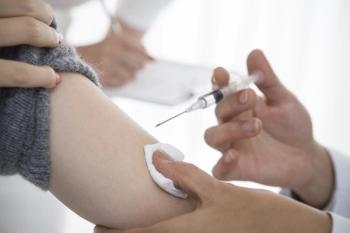
The vaccine, which can be taken as a single, oral liquid dose of approximately three fluid ounces at least 10 days before travel to a cholera-affected area, is designed for the prevention of cholera caused by serogroup O1 in adults 18 to 64 years of age traveling to cholera-affected areas. The FDA announced its approval on June 10.

“The approval of Vaxchora represents a significant addition to the cholera-prevention measures currently recommended by the CDC for travelers to cholera-affected regions,” the FDA’s Peter Marks, MD, PhD, said in a statement announcing the approval. Dr. Marks serves as director of the agency’s Center for Biologics Evaluation and Research.

Manufactured by PaxVax Bermuda Ltd, Vaxchora prevented cholera infection in 90% of 197 US adults who voluntarily ingested Vibrio cholerae, the bacterium that causes cholera, 10 days after vaccination as part of a clinical trial. In the same study, the vaccine was 80% effective among those who ingested the bacterium three months after vaccination. In another clinical trial, the vast majority of study participants produced antibodies protectant against cholera infection following vaccination. The most common adverse reactions reported by Vaxchora recipients were fatigue, headache, abdominal pain, nausea/vomiting, lack of appetite, and diarrhea, according to the FDA. Unfortunately, the effectiveness of Vaxchora for those living in cholera-affected regions has not yet been established.

Brian P. Dunleavy is a medical writer and editor based in New York. His work has appeared in numerous healthcare-related publications. He is the former editor of Infectious Disease Special Edition.


Related to this article

Pfizer 25-Valent Pneumococcal Vaccine Boosts Serotype 3 Response in Infants
Alejandra Gurtman, MD, discussed the phase 2 data at IDWeek 2026 which showed the investigational 25-valent pneumococcal conjugate vaccine 25vPnC produced serotype 3 antibody levels about 15-fold higher than Prevnar 20 after the booster dose, targeting a serotype still behind 10.6% of invasive pneumococcal disease in US children younger than five years.
FAQ: Ebola Prevention, Treatment and the Chances of a US Outbreak
As the Bundibugyo virus outbreak in the Democratic Republic of the Congo surpasses 9300 confirmed cases and 4400 deaths, this FAQ explains how the virus spreads, how it presents, why it is hard to diagnose and treat, which vaccines and therapies are being tested, and why CDC considers the risk to the United States low.
Ebola Outbreak Tops 10,000 Cases as CDC Cites Spread to Kenya, Nigeria
The CDC reports the Bundibugyo virus outbreak in the Democratic Republic of the Congo (DRC) is now the second-largest Ebola outbreak on record. As of October 28, the agency counted 10,305 total confirmed cases and 4,996 total confirmed deaths. The overall risk to the American public and travelers remains low, and no cases tied to this outbreak have been confirmed in the US.
Measles Update: October 30, 2026
The latest CDC numbers show a 5.8% increase in measles cases from week-to-week, bringing the 2026 US total to more than double the amount seen in all of 2025 with 2 months left in the year.
Cefiderocol Continues to Show Activity Against Resistant Gram-Negative Infections
Shionogi data presented at IDWeek 2026 demonstrated a 76.7% clinical response with cefiderocol in carbapenem-resistant respiratory infections and high in vitro activity against resistant P aeruginosa VAP isolates. Christine Slover, PharmD, vice president, Infectious Diseases US Medical Affairs, Shionogi, offers insights on the data as well as clinical considerations for providers when weighing the antibiotic for patients.