




Antimicrobial Stewardship
Latest News
Advertisement
Latest Videos








CME Content

















































































































Advertisement
More News
This week, phage and antibiotic treatment for resistant Pseudomonas infections, concerns over SEP-1’s impact on sepsis management, and ongoing measles outbreak signaling declining vaccination rates.

A spokesperson from the UK Health Security Agency highlighted key updates in the 2024 UK-AWaRe classification, aligning them with national AMR goals.

Erlinda Ulloa, MD, discusses a severe case including how they secured the phage treatment, and her experience with the investigational therapy.

Ken Duncan, PhD, discussed the launch of a $50 million initiative focused on developing new drugs for critical pathogens contributing to antimicrobial resistance.

Todd Riccobene, PhD, senior scientific director, Anti-Infectives and Infectious Diseases, US Medical Affairs + Health Impact at AbbVie provides more information on the newly approved antibiotic combination for these infections.

Jeffrey Freiberg, MD, PhD review of the SABATO trial on oral antibiotics for S aureus bacteremia and a comparison of mupirocin and iodine treatments for MRSA decolonization.

Jaime Garcia-Iglesias, PhD discusses community involvement, holistic benefits, and strategies for equitable rollout of doxycycline post-exposure prophylaxis.
Jeffery Freiberg, MD, PhD review on key trials and challenges from 2024 in the fight against antibiotic resistance in complicated and uncomplictaed UTIs, including cefepime-taniborbactam and gepotidacin.
Here are some strategies to consider for optimal utilization.

Sean Ong discusses how persistent fever beyond 72 hours emerges as a stronger predictor of mortality in MRSA bacteremia compared to CRP and WBC counts.
The company’s investigational gel, RECCE 327, met primary and secondary endpoints, and it plans to progress to a phase 3 trial.
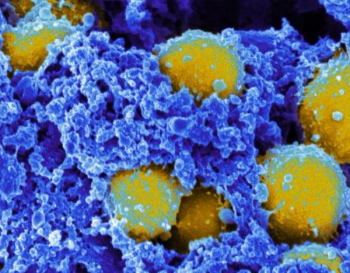
The trial is being conducted by LimmaTech Biologics, and the first participants have been vaccinated.
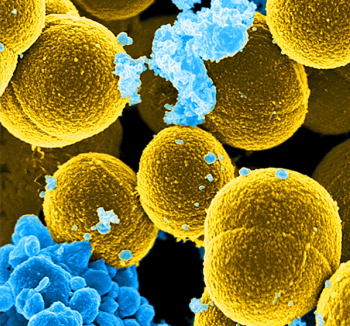
An inoculum effect in methicillin-susceptible S aureus infective endocarditis is suspected factor in higher all-cause 30-day mortality with cephazolin treatment than with oxacillin.

A decreasing number of researchers and open positions for infectious disease clinicians and limited residency matches are underlying issues that should be addressed to meet the needs around antimicrobial development and clinical care. Amesh Adalja, MD, FIDSA, discusses some of the challenges behind it.

Hannah Pye, PhD and Evelien Adriaenssens, PhD explore the potential of phages in combating antimicrobial resistance and advancing health across human, animal, and environmental domains.

Carole Mitnick, ScD discusses the impact of the endTB trial's findings on future TB treatment options, including shorter treatment durations, lower costs, and expanded accessibility.
Carole Mitnick, ScD highlights the importance of trust in the success of the endTB trial and addresses the ongoing toxicity concerns with new shorter treatment regimens.
This week, a study on children with invasive candidiasis showed that switching treatment was just as effective, AI is being explored as a tool to combat AMR, and more.
This combination antibiotic is indicated for adults with limited or no treatment options, including gram-negative infections. It will be available in the third quarter of this year.

The antimicrobial resistance (AMR) crisis stems from natural microbial adaptation and the lack of new antimicrobials in development. Vulnerable populations worldwide, including within the US, are disproportionately affected, exacerbating the spread of resistance.

Fecal microbiota transplantation emerges as the top treatment, while probiotics show limited effectiveness in preventing CDI recurrence.

The successful implementation of AI into trying to combat resistance will require broader integration efforts, training, and regulatory frameworks.

The agency pointed out that pathogens such as Klebsiella pneumoniae and Escherichia coli (E coli) are problematic for healthcare systems and the general public across Europe.
Levofloxacin was associated with statistically significant reduction in tuberculosis developing in household contacts of persons with multidrug- resistant TB in a meta-analysis, but not in the constituent controlled trials.

Gregory Fox, PhD outlines the trial's challenges, the impact of combining results with the TB Champ trial, and the role of collaboration in strengthening research outcomes.
Advertisement
Advertisement
Trending on Contagion Live
1
Pritelivir Improves Outcomes in Immunocompromised Patients With Refractory Herpes Simplex Virus
2
Measles Update: February 6, 2026
3
HIV in the Black Community: Shifting from Stigma and Health Inequalities to Communication and Care Initiatives
4
Antibiotics Deconstructed: IV Fosfomycin
5