Infection prevention in healthcare can often feel like a mixed bag of reminding people to do things they already know (ie, hand hygiene, isolation, etc.), and the sheer awe at the unique weirdness that comes with patient care. There is rarely a week that goes by where I fail to mutter “well, you don’t see that every day.” A multitude of challenges exists within patient care and medicine, whether it is antimicrobial stewardship, disinfection, the use of personal protective equipment, or environmental cleaning. And, in the past few years, highly resistant organisms and high consequence pathogens, such as Ebola and Severe Acute Respiratory Syndrome (SARS), have gotten thrown into the mix as well.
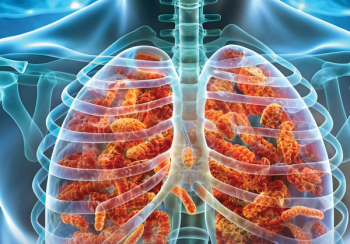
A focus on much of this information was heightened recently, with the news of a highly resistant and hypervirulent strain of Klebsiella pneumoniae (K. pneumoniae) wreaking havoc in a Chinese hospital. This particular strain impacted 5 ventilator-dependent patients, all of whom subsequently died. The strain had genes that made it both hypervirulent and highly resistant to antibiotics. All five patients were receiving treatment in the ICU and experienced severe pneumonia as a result of ventilation, which led to the K. pneumoniae infection. A study on the bacteria, published in The Lancet, noted that this highly resistant strain poses a substantial threat, not only because of its resistance and virulence, but also its increased transmissibility.
This outbreak is yet another example of how deadly such resistant organisms can be, and the capacity for hospitals to act as transmission hubs. Even prestigious facilities like the National Institute of Health (NIH) Clinical Center are not immune to such outbreaks. In 2011, the NIH Clinical Center experienced a deadly outbreak of carbapenem-resistant K. pneumoniae that sickened 18 patients, 11 of whom died. That outbreak was considered to be the result of admitting a single patient who was colonized with the organism. The patient spent two 24-hour stints in the ICU. To combat the outbreak, the NIH staff took additional infection control measures that included monitors for PPE and hand hygiene compliance, restricting staff caring for patients infected with the carbapenem-resistant K. pneumoniae, etc. Eventually, the outbreak subsided, but not after considerable cost in terms of lives, impact on health, and financial burden.
As events like the NIH outbreak and the Chinese cases of the K. pneumoniae strain become increasingly more common, they underscore the role of infection prevention and control. Sure, the 2014 Ebola cases taught us just how dangerous such organisms can be in an unprepared environment where highly consequence pathogens are rarely seen, but it also pointed to the increasingly diverse nature of healthcare infection control. Hospitals raced to fill up their Ebola preparedness carts with the necessary PPE, but now, most have been either forgotten or neglected.
The simple truth is that outbreaks of highly resistant, virulent, and transmissible organisms can easily devastate a healthcare facility, just like a case of Ebola. The threat of infectious diseases isn’t limited to large cities or hidden jungles; it is a global issue. Infectious disease knows no borders. The recent report from the Chinese ICU outbreak points to the increasing threat of microbial resistance and the desperate need to address prevention efforts in terms of both stewardship and infection control.
As the landscape changes for both medical care and biothreats, it is important that infection prevention and control efforts be a part of this evolution. We must consider these practices and hospital programs when modernizing healthcare and public health. These infectious disease events can, and should, teach us about the diverse range of issues hospitals face and how we can better prevent the spread of infection through active, instead of passive, efforts.