

A study finding clesrovimab comparable to palivizumab in protecting at-risk infants in their first RSV season was extended to demonstrate clesrovimab effective and well-tolerated when administered in their second season.
A study finding clesrovimab comparable to palivizumab in protecting at-risk infants in their first RSV season was extended to demonstrate clesrovimab effective and well-tolerated when administered in their second season.
The Vaccine Integrity Project, in collaboration with the American Medical Association, conducted a vaccine and immunization effectiveness and safety review for RSV, Influenza, and COVID-19 for the 2026-2027 season. JAMA published the review, and here is an overview of the data going into this year's seasonal respiratory virus season.
The FDA has approved Moderna's influenza vaccine and set a Prescription Drug User Fee Act (PDUFA) date for Merck's RSV immunization product for expansion for a second season.
A large real-world study from the UK Health Security Agency presented at ESCMID Global 2026 finds that maternal RSV vaccination given at least two weeks before birth cuts infant hospitalizations by more than 80%.
Increased rapid antigen diagnostic testing for respiratory syncytial virus (RSV) in pediatric outpatients was associated with fewer antibiotic prescriptions for respiratory tract infections.
The FDA has expanded approval of GSK's Arexvy to adults aged 18 to 49 who are at increased risk for RSV-related lower respiratory tract disease, building on the vaccine's existing approvals in adults 50 and older.
New phase 3 data show that Merck’s clesrovimab (Enflonsia) maintained a favorable safety profile and supportive pharmacokinetics in high-risk children under 2 years of age during a second RSV season. The company plans to file for expanded regulatory approval.
New real-world evidence presented by GSK shows its RSV vaccine, Arexvy, was associated with substantial reductions in RSV-related hospitalizations and serious cardiovascular and respiratory complications among older adults.
Findings from a real-world population study from Spain show that universal infant immunization with Beyfortus significantly reduced RSV-related hospitalizations not only in the first RSV season but also into the second year of life.

Risk of a cardiac event was higher in older patients hospitalized for respiratory syncytial virus (RSV) infection than has been reported for influenza.
The American Academy of Pediatrics (AAP) has published its 2026 immunization schedule, reaffirming routine vaccination to protect children and adolescents against 18 preventable diseases.
The federal agency gave the nod for Acon Laboratories’ Flowflex Plus RSV + Flu A/B + COVID 4-in-1 test that can detect all those respiratory viruses in a single test, which is indicated for use in both adults and children as young as 6 months.
Reports are surfacing the federal agency is going to review products already reviewed and approved.

A review of vaccine safety and effectiveness conducted by the Vaccine Integrity Project, independent of the CDC's ACIP, reflects its stated purpose as "dedicated to safeguarding vaccine use in the US."
This form of prophylaxis showed 79% overall effectiveness across 3 European countries.
RSV vaccines protected older adults against RSV-related hospitalization over 2 seasons, although with less effectiveness for those with immunocompromise or cardiovascular disease.
In a multinational NEJM trial, a single 105-mg dose cut RSV hospitalizations by 84.2% and medically attended lower respiratory infection by 60.4% through 150 days, with safety similar to placebo.

Merck’s single-dose, weight-independent antibody provides about five months of protection; EC decision pending, and it is already FDA approved in the United States.
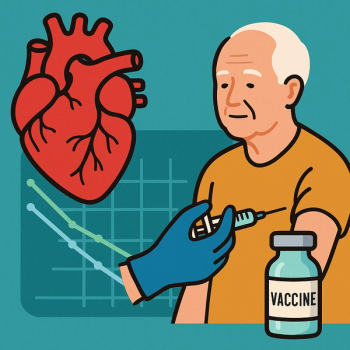
In the DAN-RSV trial of 131,000 participants, RSVpreF lowered overall cardiorespiratory hospitalizations but showed no significant reduction in cardiovascular events.
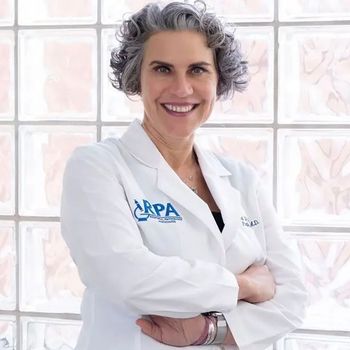
Pathologist Leilani Valdes, MD, MBA, FCAP, explains the role of PCR testing, early surveillance, and vaccine education in protecting community health.
In the largest world study, there was a 98% reduction in hospitalizations of babies who received the RSV vaccine compared with those who did not receive the RSV vaccine.
Dual ACIP votes endorse RSV antibody protection for infants and expand no-cost access through the Vaccines for Children program.

Application of GBD methods reveals substantial RSV-attributable hospitalizations and informs vaccine and surveillance strategies.
The federal agency approved the company’s mRNA-1345 (mRESVIA) vaccine for people who are between the ages of 18 to 59 years.
Enflonsia, a single-dose, long-acting antibody, has been FDA approved to significantly reduce RSV infections and hospitalizations in infants, providing new hope for protecting vulnerable babies during RSV season.

New meta-analysis at the 2025 vaccinology conference highlights the efficacy of maternal RSV vaccines, with calls for enhanced monitoring following safety issues with one candidate

As therapies that impact the immune system become more common, patients are living longer but with increased susceptibility to infections, including viral, bacterial, fungal, and emerging diseases.
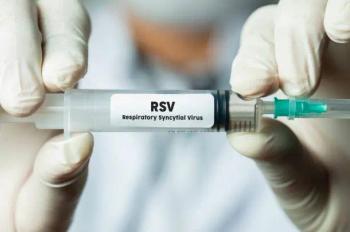
75% effectiveness of RSV vaccines in adults aged 60 and older, along with key safety considerations and broadened recommendations for high-risk groups.
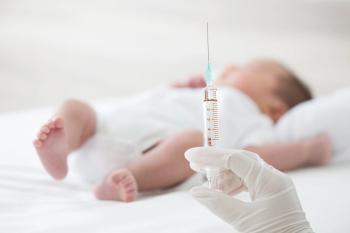
Current prevention strategies include two injectables for infants and young children, namely palivizumab and nirsevimab.
ACIP provides recommendations on meningococcal vaccines, RSV vaccination for at-risk adults, and chikungunya vaccines for travelers and laboratory workers, while also addressing safety concerns and potential expansions of use for each.