|Articles|February 9, 2018

CDC Reports 16 New Pediatric Flu Deaths

Author(s)Einav Keet

Despite a new report indicating that the flu vaccine hasn’t been very effective in North America this year, health officials say it’s still a valuable weapon against this severe flu season.

In the weekly FluView report for week 4, ending January 27, 2018, the Centers for Disease Control and Prevention (CDC) reported that 48 states and Puerto Rico continued to experience widespread influenza activity. The proportion of outpatient visits for influenza-like illness (ILI) continued to rise, from 6.6% during the previous week to 7.1%, nearing closer to the 7.7% rate recorded during the 2009-2010 flu season, the first year the CDC began tracking the metric. The CDC also reported 16 new influenza-associated pediatric deaths for the 2017-2018 flu season, bringing the total for the season to 53 deaths, further troubling health officials around the United States. Last season, there were 110 pediatric flu deaths, with all of the newly-reported deaths occurred during weeks 1, 2, 3, and 4.

Officials from the CDC have continued to issue regular updates on the status of this flu season. On Friday, February 2, 2018, agency directors held their most recent public update. With 14,676 laboratory-confirmed influenza-associated hospitalizations as of week 4, health officials noted reports of crowded hospitals, and spot shortages of antiviral medications and rapid influenza tests.

“Flu is incredibly complex and difficult to predict, and this season is a somber reminder of why flu is one of the world’s greatest public health challenges, and why we at CDC focus so intensely on efforts to fight flu,” said CDC acting director Anne Schuchat, MD. “In the past week, we have seen increased influenza-like illness activity, more hospitalizations, and tragically, more flu-associated deaths in children and adults. And as of this week, overall hospitalizations are now the highest we’ve seen. even higher than the 2014-2015, our previous high season.”

The CDC officials noted that the flu shot is still one of the best ways to prevent getting sick with the flu, despite the vaccine’s low effectiveness rate of 10% during Australia’s 2017 influenza A (H3N2) epidemic. Now, in a new study published in the journal Eurosurveillance, researchers found early data indicating that the flu vaccine has also had low effectiveness in North America this flu season. The study examined vaccine effectiveness of the 2017-2018 flu vaccine so far this season in Canada, finding that overall effectiveness against H3N2 has been 17%, but just 10% in adults between the ages of 20 and 64. However, the flu shot has performed better against influenza B viruses, with 55% overall effectiveness and 40% effectiveness for those between the ages of 20 and 64.

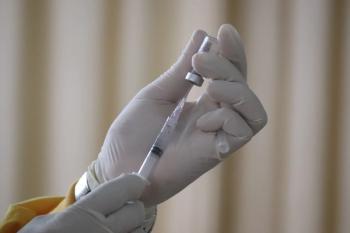
“We continue to recommend the flu vaccine, even though we know most flu vaccines have low effectiveness against H3N2 viruses,” Dr. Schuchat said during the recent CDC update. “Effectiveness against other flu viruses is better, and there is more than one flu virus circulating this season. The vaccine may also reduce the severity of symptoms if you catch the flu in spite of being vaccinated, and it is not too late to get the vaccine.”



Related to this article

NFID Survey Finds Respiratory Vaccine Gap Driven by Lack of Clarity, Not Hesitancy
The National Foundation for Infectious Diseases (NFID) recently held its respiratory season kick-off, which included the release of its annual respiratory disease survey. This year, the survey revealed the gap between vaccine support and uptake. Robert Hopkins Jr, MD, medical director of NFID delves deeper into the findings of the survey and the vaccine uptake challenges associated with certain immunizations.
Measles Update: October 9, 2026
The latest CDC numbers show a 5.0% increase of measles cases from week-to-week. The US total reached 4080 confirmed cases, 78% above all of 2025.
FAQ: What You Need to Know About Measles in 2026
With US measles cases nearing 3,900 this year and Pennsylvania reporting its fifth measles-related death, here is a review of how the virus spreads, how it is prevented and managed, and what severe disease looks like.
Measles Update: October 23, 2026
The latest CDC numbers show a 4.0% increase in measles cases from week-to-week, bringing the 2026 US total to 4588 confirmed cases. Ninety-six percent of cases are outbreak-associated.
Inhaled Amikacin Shows Low Resistance Rates in MAC Lung Disease in ENCORE
In the phase 3b ENCORE trial, adding amikacin liposome inhalation suspension (ALIS) to azithromycin and ethambutol significantly improved culture conversion in newly diagnosed MAC lung disease, while treatment-emergent amikacin (2.2%) and macrolide (1.1%) resistance stayed rare. Kevin Winthrop, MD, provides insights around the study.