Women on the Front Lines of Ebola
Outbreaks follow social realities. In many patriarchal societies, women are primarily responsible for cooking, cleaning and childcare. They are also expected to care for sick relatives, clean contaminated bedding, bring food and water, accompany loved ones to clinics, comfort children, tend to the dying and prepare bodies for burial. Women also make up a large share of the frontline health workforce, including nurses, community health workers and informal caregivers. This labor is lifesaving. During outbreaks, it can also be deadly.
That is why a gender-blind response is not neutral. It is negligent.
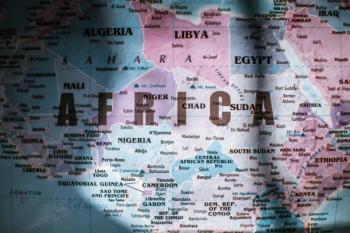
The current epidemiology of the Bundibugyo outbreak already points toward this danger. Across DRC and Uganda, UN Women reported that women and girls account for a slight majority of laboratory-confirmed cases where demographic data are available, and an even larger share among adolescents. Uganda’s pattern is somewhat different, with cases skewing more male and concentrated among working-age adults, likely reflecting occupational exposure, mobility and cross-border movement.
The gendered toll has been especially visible in DRC, where exposure often follows the pathways of care. Women wash soiled clothes without gloves, bathe feverish relatives without protective equipment, sleep beside sick family members in crowded wards and nurse children through illness. Many are also nurses, cleaners, community health workers or traditional healers working in clinics and homes without enough masks, gloves, ambulances or rapid diagnostics. When fever first appears, families may turn to prayer or traditional medicine before a formal health facility, when death comes, burial practices can involve close physical contact at the moment of greatest infectious risk. In that chain, home, clinic, healer, funeral, gender becomes a conveyor belt of illness and death
That pattern should not surprise anyone who has studied Ebola. During the 2014 Ebola outbreak in West Africa, approximately 59%-70% of the fatalities occurred in women according to the United Nations Women report. During past Ebola outbreaks, women have often borne heightened exposure because they are caregivers at home and on the front lines of health systems. UN Women recently warned that Ebola spreads along the lines of caregiving, domestic labor, frontline health work and burial practices, exactly the roles women are expected to fill.
Yet women are too often missing from the design of outbreak response. Their labor is assumed, not protected. Their trust is demanded, not earned. Their knowledge of households and communities is underused until transmission is already accelerating.
This is not only a moral failure. It is a public health failure.
If women are the ones bathing the feverish child, washing the sheets, noticing which neighbor is sick, deciding whether a family member goes to a clinic, or preparing a body for burial, then they are not peripheral to outbreak control. They are the outbreak response. Protecting them is not a “gender issue.” It is containment.
That means personal protective equipment must reach not only hospitals but also community health workers and burial teams. Risk communication must be built with women’s groups, religious leaders, traditional healers and local caregivers, not merely broadcast at them. Contact tracing must account for the informal networks through which care actually happens. Treatment centers must be accessible and trusted. Maternal and reproductive health services must not collapse while the world focuses narrowly on the pathogen. And when research begins on vaccines or therapeutics, affected communities must not be treated as afterthoughts.
Too often, women’s health is not prioritized because of domestic demands, financial inequity and dependence on male relatives for permission, money or transportation. When women cannot seek timely care, the consequences can be fatal, not only for them, but for their families and communities.
Global Health Equity Is Global Health Security
The contrast between the cruise ship and Central Africa should also force a harder conversation about global health equity.
When wealthy travelers are potentially exposed to a rare virus, the world can mobilize sophisticated containment systems. When an outbreak spreads through communities shaped by displacement, mining-related migration, civil unrest and weak health infrastructure, the response too often becomes fragmented, underfunded and late. The difference is not because one virus matters more than the other. It is because one population is more easily seen as deserving immediate protection.
That double standard is dangerous for everyone.
The United States has long understood that global health security is national security. Outbreaks contained abroad are outbreaks that do not become emergencies at home. But travel bans and border restrictions cannot substitute for surveillance, testing, treatment, infection prevention and trust in the places where transmission is happening. Viruses do not wait for political talking points. They exploit delay.
In a world of flights, trade, migration, ecological disruption and climate stress, no country can protect itself by looking away from suffering elsewhere. The best way to protect Americans from Bundibugyo virus is not to pretend Central Africa is far away. It is to help stop transmission there, quickly, respectfully and in partnership with the communities most affected.
That requires supporting WHO coordination, strengthening local laboratories, funding rapid response teams, protecting health workers, building treatment capacity, investing in vaccine and therapeutic research for neglected pathogens, and centering the women whose daily care work determines whether an outbreak grows or ends.
It also requires humility. Too often, global health response treats communities in the global south as sites of risk rather than sources of expertise. As women of South Asian descent working in infectious diseases and global health security, we know that the global south is not simply where outbreaks happen. It is where resilience is practiced daily: in crowded clinics, in multigenerational homes, in underfunded hospitals, in maternal wards, in vaccination campaigns, in community health networks and in households where mothers become first responders without training, pay or protection.
The health inequity crisis is not one that occurs only during outbreaks or pandemics. Women face it every day, in lack of access to chronic disease care, lifesaving immunizations, treatment for acute infections and the basic ability to seek medical help when they need it. These inequities are often rooted in patriarchal social roles, economic dependence and abuses of power and status. They leave women vulnerable to pathogens both directly and indirectly.
The Andes virus response shows what is possible when the world moves quickly. The Bundibugyo outbreak shows what happens when a pathogen meets inequality.
The lesson is not panic. It is preparation with justice.
We cannot build a safer world if outbreak response begins only when wealthy travelers are at risk. We cannot contain deadly viruses while ignoring the women who are expected to contain them with their hands, their bodies, their unpaid labor and their lives. And we cannot claim to care about pandemic preparedness while abandoning the global health systems that protect us all.
The next outbreak may begin in a forest, a mine, a clinic, a home, a funeral or a ship. Wherever it starts, the question will be the same: Will we protect the people doing the caring before they become the next cases?
Our answer should be yes, every time, everywhere.