
Stopping empiric antibiotics early nearly tripled antibiotic-free days in neutropenic fever, and 5-day oseltamivir prophylaxis matched 10 days in hospital exposures.
Stopping empiric antibiotics early nearly tripled antibiotic-free days in neutropenic fever, and 5-day oseltamivir prophylaxis matched 10 days in hospital exposures.
Investigational asuptegravir cut HIV-1 RNA by up to 2.36 log10 copies/mL in 10 days, and adding fostemsavir boosted CD4 gains in immunologic nonresponders.
In an ECOSPOR III analysis, all-cause hospitalization by week 4 fell to 3.4% with fecal microbiota spores vs 16.1% with placebo in recurrent C difficile infection.
CDC lists 5 active multistate outbreaks tied to oysters, raw milk cheese, sprouts, and pet turtles, with recalls in effect for 4 of them.

Exploratory SCORPIO-PEP data presented at IDWeek 2026 show household contacts with breakthrough COVID-19 on ensitrelvir had lower peak viral RNA and fewer severe symptoms than placebo recipients.

Day 42 all-cause mortality was 23.8% with oral olorofim vs 24.3% with AmBisome plus standard of care in invasive aspergillosis unsuited to azole therapy.
MBL producers rose from 20.4% to 48.6% of US carbapenem-resistant Enterobacterales from 2021 to 2025, while aztreonam-avibactam stayed active against 97.7% of them.
Switching to once-daily bictegravir/lenacapavir kept adverse event rates similar to comparators and metabolic markers stable across comorbidity groups in ARTISTRY-1 and -2.
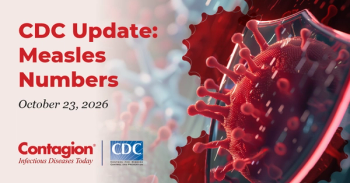
The latest CDC numbers show a 4.0% increase in measles cases from week-to-week, bringing the 2026 US total to 4588 confirmed cases. Ninety-six percent of cases are outbreak-associated.
Karen B. Jacobson, MD, MPH, of Kaiser Permanente Northern California, presented data at IDWeek 2026 showing 58.2% of children younger than five years exposed to active hepatitis B in the home were exposed by someone other than their birth mother, a risk maternal screening alone would miss under the CDC’s revised birth dose recommendation.
Isavuconazole had a lower liver adverse event signal than voriconazole and posaconazole, while olorofim, manogepix, and rezafungin held activity against resistant molds.

Data being presented at IDWeek 2026 show zoliflodacin maintains high gonorrhea cure rates in patients co-infected with chlamydia. David Altarac, MD, discusses the therapy and the study being presented at the conference.

In the phase 3b ENCORE trial, adding amikacin liposome inhalation suspension (ALIS) to azithromycin and ethambutol significantly improved culture conversion in newly diagnosed MAC lung disease, while treatment-emergent amikacin (2.2%) and macrolide (1.1%) resistance stayed rare. Kevin Winthrop, MD, provides insights around the study.
Oral pritelivir improved lesion healing and cut hospitalizations from 76% to 29.4% vs investigator's choice therapy in immunocompromised patients with refractory HSV.
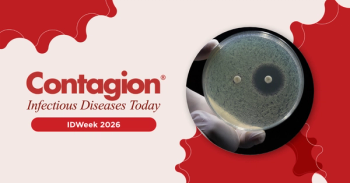
Investigational cefiderocol-xeruborbactam inhibited 98.5% of carbapenem-nonsusceptible Acinetobacter and nearly all Enterobacterales in global surveillance data.
Oral zelicapavir cut time to complete RSV symptom resolution by up to 1 week in high-risk adults, but it did not meet its primary end point in a phase 2 trial.
The FDA approved bepirovirsen (Hibsago; GSK) with nucleos(t)ide analogue therapy for chronic hepatitis B, based on B-Well 1 and 2 functional cure rates of 19% vs 0% with placebo.
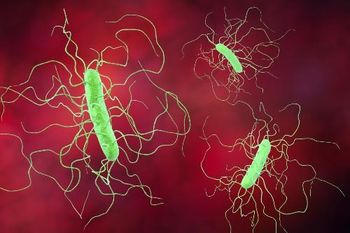
In the phase 2 RePreve trial, Lumen Bioscience’s investigational oral biologic LMN-201 plus standard antibiotics achieved global cure in 83.3% of patients with C difficile infection vs 36.4% with placebo, and cut recurrence sixfold (9.1% vs 55.6%) with no drug-related serious adverse events.

The first animal model of neonatal sepsis to evaluate protection by maternal vaccination evidences transfer of immunity against virulent, often antibiotic-resistant Klebseilla pneumoniae.
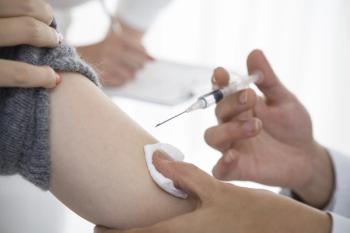
The CHMP adopted a positive opinion on an extension of indication for AstraZeneca's H5N1 pandemic influenza vaccine at its October meeting.
The company, Family Farmstead Dairy, issued a raw cheddar recall over potential contamination with Shiga toxin-producing Escherichia coli (STEC) is happening across 7 states.
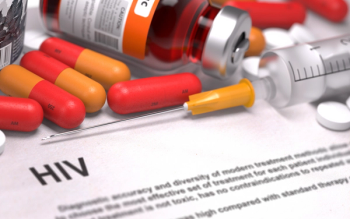
The guidelines issued by the Department of Health and Human Services (HHS) have been updated with recent, evidence-based consensus of The Panel for the Use of Antiretroviral Agents in Adults and Adolescents.
As the Bundibugyo virus outbreak in the Democratic Republic of the Congo surpasses 9300 confirmed cases and 4400 deaths, this FAQ explains how the virus spreads, how it presents, why it is hard to diagnose and treat, which vaccines and therapies are being tested, and why CDC considers the risk to the United States low.
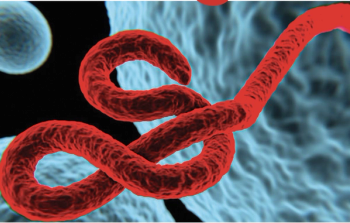
As of October 15, CDC reports 9235 confirmed cases and 4444 deaths in the Bundibugyo virus Ebola outbreak in the DRC, now the second-largest on record.
The latest CDC numbers show an 8.1% increase in measles cases from week-to-week, bringing the 2026 US total to 4410 confirmed cases. A CDC disease detective is going to Pennsylvania to aid in the state's massive outbreak, and the agency reports on a rare measles complication that is uniformly fatal.
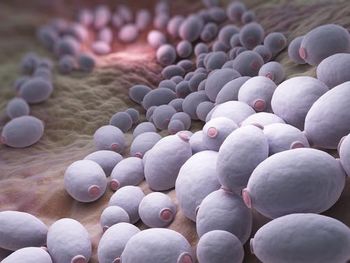
Serial bloodstream isolates from two critically ill London patients showed heteroresistance, CRZ1 escape mutations, and drug-induced polyploidy despite wild-type FKS1 and susceptible MICs.

Projected disease burden from declining childhood vaccine coverage shows increases in vaccine-preventable diseases. Benjamin Lopman, PhD, provides insights on how VaxImpactMap works and the potential long-term disease consequences of decreased immunization rates.

Approximately 12% of all new cases of cancer worldwide in 2024 were attributable to an infection, with most of the infections preventable or treatable before cancer develops.
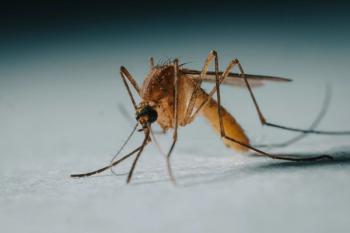
After 2 adults died of West Nile virus in central North Carolina this month, this FAQ explains how the mosquito-borne virus spreads, who faces the greatest risk of severe neuroinvasive disease, and how clinicians can diagnose, manage, and help prevent infection when no vaccine or antiviral treatment exists.
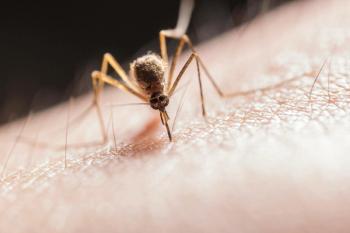
North Carolina health officials confirmed two West Nile virus deaths among adults in the central part of the state, where CDC data show 11 human cases this season.