|Videos|May 12, 2020

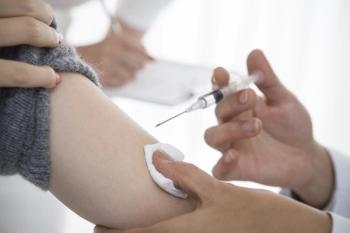
Best-Case Coronavirus Vaccine Scenarios

What is the hopeful expectation of the new candidates, relative to previously developed vaccines?

The future of coronavirus 2019 (COVID-19) vaccine candidate efficacy is highly dependent on factors out of manufacturers’ control.

That puts a lot of pressure on the makeup of trial assessment—as well as understanding the maximum potential of each preventive candidate.

In an interview with Contagion, William Schaffner, MD, professor of Preventive Medicine and Medicine at the Vanderbilt University Medical Center, discussed the variability of marketed vaccines and how expectations differentiate for each disease. For example, he noted, the difference in modern protection from shingles versus influenza is significant.

And what could be hoped for in a COVID-19 vaccine?

“We would hope for something that is over 80% effective,” he said. “We have to, I think, in the 21st century, have a product that is at least 80% effective. They would hope for more, of course.”

Schaffner also discussed the stratified assessment of vaccine candidates across age groups, and the potential need of booster administrations and eventual clinical follow-up with a COVID-19 vaccine.



Related to this article

Cefiderocol Continues to Show Activity Against Resistant Gram-Negative Infections
Shionogi data presented at IDWeek 2026 demonstrated a 76.7% clinical response with cefiderocol in carbapenem-resistant respiratory infections and high in vitro activity against resistant P aeruginosa VAP isolates. Christine Slover, PharmD, vice president, Infectious Diseases US Medical Affairs, Shionogi, offers insights on the data as well as clinical considerations for providers when weighing the antibiotic for patients.
Pfizer 25-Valent Pneumococcal Vaccine Boosts Serotype 3 Response in Infants
Alejandra Gurtman, MD, discussed the phase 2 data at IDWeek 2026 which showed the investigational 25-valent pneumococcal conjugate vaccine 25vPnC produced serotype 3 antibody levels about 15-fold higher than Prevnar 20 after the booster dose, targeting a serotype still behind 10.6% of invasive pneumococcal disease in US children younger than five years.
Household Contacts Drive Most Hepatitis B Exposures in Young Children
Karen B. Jacobson, MD, MPH, of Kaiser Permanente Northern California, presented data at IDWeek 2026 showing 58.2% of children younger than five years exposed to active hepatitis B in the home were exposed by someone other than their birth mother, a risk maternal screening alone would miss under the CDC’s revised birth dose recommendation.
Inhaled Amikacin Shows Low Resistance Rates in MAC Lung Disease in ENCORE
In the phase 3b ENCORE trial, adding amikacin liposome inhalation suspension (ALIS) to azithromycin and ethambutol significantly improved culture conversion in newly diagnosed MAC lung disease, while treatment-emergent amikacin (2.2%) and macrolide (1.1%) resistance stayed rare. Kevin Winthrop, MD, provides insights around the study.
FAQ: Ebola Prevention, Treatment and the Chances of a US Outbreak
As the Bundibugyo virus outbreak in the Democratic Republic of the Congo surpasses 9300 confirmed cases and 4400 deaths, this FAQ explains how the virus spreads, how it presents, why it is hard to diagnose and treat, which vaccines and therapies are being tested, and why CDC considers the risk to the United States low.