The 18-year old resident of the state suffered from acute disseminated encephalomyelitis. Pennsylvania numbers are surging with some of the highest state totals of measles cases in the country.
Pfizer's RSVpreF vaccine candidate has shown promising efficacy in preventing severe lower respiratory illness caused by RSV in infants. With the potential approval of RSVpreF, pediatric care could undergo a significant positive change.
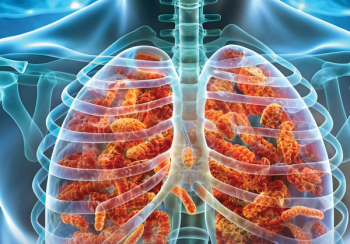
“RSV causes a lot of fluid buildup in the lungs,” explained Iona Munjal, MD, a senior director of vaccine research and development at Pfizer. “When babies breathe, they breathe through lung tubes that are many times smaller than ours. So fluid buildup can almost completely occlude their breathing airways and really fill up their lungs with a lot of inflammation and fluid.”
Worldwide, there are currently no approved RSV vaccines for infants. However, last week, the US Food and Drug Administration’s (FDA) Vaccines and Related Biological Products Advisory Committee (VRBPAC) voted in favor of the efficacy and safety of
By actively immunizing pregnant individuals, RSVpreF is intended to prevent medically attended lower respiratory tract disease (MA-LRTD) and severe MA-LRTD caused by RSV in infants from birth to 6 months of age.
“Likely, a mom would have to get vaccinated each time she got pregnant,” explained Munjal. “Then she produces these antibodies, they are passed to the infant, and then the infant could be protected for that RSV season.” RSV antibodies are not very durable, which explains why people can and often do contract it every year.
Ultimately, Munjal emphasized vaccines as a preventative measure. Efficacy data from the phase 3 MATISSE (MATernal Immunization Study for Safety and Efficacy) clinical trial for RSVpreF found
“If we can cut down, for example as we saw in the efficacy, on over 80% of severe RSV disease in the first 3 months of life, that could be a gamechanger to how pediatric care is conducted.”
With the PDUFA data now confirmed for August 21, 2023, Munjal expressed her gratitude to all the trial investigators, but especially to the trial participants. “We had over 7000 moms that consented to participate in this trial and that was really, really powerful. Not only for the health of themselves and their infants, but also the contribution to science.”
“As a pediatrician, we really, really feel that this will be a major change to what we see in infants annually,” Munjal said of the potential impending approval of RSVpreF. She explained that there are many things she would like to discuss during a health checkup, such as how a baby is feeling or behaving, but this is all overshadowed by an RSV infection. Munjal believes the RSVpreF vaccine could change this, saying, “We think potentially this could be a game-changer, that you’re really going to focus on the health and the good health of a child rather than focusing on their intermediate illness.”