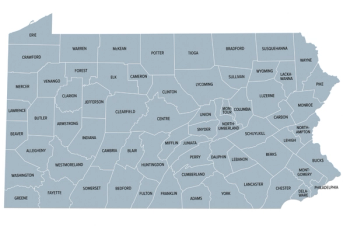
A 39-year-old unvaccinated Franklin County woman has died after a recent measles diagnosis. Nationally, numbers continue to increase and the US has passed 4,000 cases.
In an effort to expand serotype coverage beyond 13, a 20-valent pneumococcal conjugate vaccine, PCV20, is currently in development.
Currently, the only 2 pneumococcal vaccines licensed for use in the United States are a 13-valent pneumococcal conjugate vaccine (PCV13/Prevnar 13) and a 23-valent pneumococcal polysaccharide vaccine (PPSV23/Pneumovax23). In an effort to expand serotype coverage beyond 13, a 20-valent pneumococcal conjugate vaccine, PCV20, is currently in development.
In a presentation at the virtual
The study grouped adults naïve to pneumococcal vaccination into 3 age cohorts of ≥60, 50-59, and 18-49 years of age in order to assess tolerability, safety, and immunogenicity (opsonophagocytic activity [OPA] responses) of PCV20. Participants in first age group, comprising adults aged ≥60 years, were randomized 1:1 (double-blind) to either PCV20 and saline 1 month later, or PCV13 and PPSV23 1 month later. The remaining 2 age groups, adults aged 50-59 years and 18-39 years, received either a dose of PCV20 or PCV13 (3:1 randomization, double blind). A total of 3889 participants received the vaccine.
Of participants in the ≥60 age group, 1507 received PCV20 and 1490 received control. “All 20 vaccine serotypes induced robust responses and OPA geometric mean titers (GMTs) to all 13 matched serotypes were noninferior to PCV13,” investigators reported, adding that OPA GMTs to 6 of the 7 additional serotypes were noninferior compared with the same serotypes in PPSV23 1 month after PCV20. OPA GMT of the remaining serotype, 8, missed noninferiority by a very narrow margin (2-sided 95% lower bound of GMT ratio [20vPnC/PPSV23] was 0.49, with noninferiority criterion of >0.5), the research team noted.
In both the younger cohorts, GMTs after vaccination with PCV20 were noninferior to adults aged 60-64 years, and safety and tolerability of PCV20 was similar to PCV13.
“Based on the robust immune responses and comparability to licensed pneumococcal vaccines, as well as bridging to the younger age group, these data support that PCV20 will be protective against pneumococcal disease due to the 20 serotypes in adults,” investigators concluded.”
The study, “Phase 3 Pivotal Evaluation of 20-valent Pneumococcal Conjugate Vaccine (PCV20) Safety, Tolerability, and Immunologic Noninferiority in Participants 18 Years and Older,” was presented virtually at ID Week 2020.