A recent study using an artificial intelligence (AI) tool has produced an algorithm that can predict the outcome of patients diagnosed with coronavirus disease 2019 (COVID-19). The algorithm will assist clinicians in providing a more effective intervention plan based on patient’s specific disease presentation and health history.
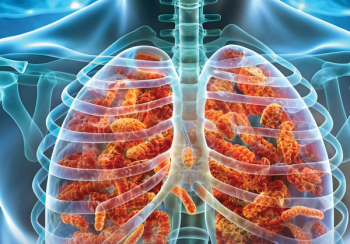
The study, published in Medical Image Analysis, was conducted by a team of engineers at the Rensselaer Polytechnic Institute. The method was developed by using chest computed tomography (CT) images in conjunction with data including demographics, the patient’s vitals and blood test results. The CT images were used to assess a patient’s lung infection severity, and the researchers combined that information with the non-image data. Plugging the data points into the algorithm, they were able to predict specific patient outcomes, like whether or not they would need ICU intervention.
"As a practitioner of AI, I do believe in its power," Pingkun Yan, PhD, leader on the study said. "It really enables us to analyze a large quantity of data and also extract the features that may not be that obvious to the human eye."
In total, 295 patients from three different hospitals in the United states, Italy and Iran had their data collected. The engineers were able to predict the type of treatment the patients would end up needing by using just the algorithm. The new algorithm will be integrated with a previous one Yan developed which helps to assess cardiovascular disease risk in patients.
"We know that a key factor in COVID mortality is whether a patient has underlying conditions and heart disease is a significant comorbidity," Yan said. "How much this contributes to their disease progress is, right now, fairly subjective. So, we have to have a quantification of their heart condition and then determine how we factor that into this prediction."
The team is working in close collaboration with doctors at Massachusetts General Hospital and are supported by a grant given to them by the National Institutes of Health. The grant was awarded to them to help provide potential solutions for the ongoing worldwide COVID-19 pandemic.
"This critical work, led by Professor Yan, offers an actionable solution for clinicians who are in the middle of a worldwide pandemic," Deepak Vashishth, the director of CBIS said. "This project highlights the capabilities of Rensselaer expertise in bioimaging combined with important partnerships with medical institutions."