Irkutsk anti-plague institute death prompts quarantines and conflicting official accounts.
A discussion with a Yale expert on what new CDC data shows.
New data from the US Centers for Disease Control and Prevention (CDC) assessing 8200-plus pregnant women in the US since March showed that pregnant women have been statistically at greater risk of severe
The findings also showed pregnancy was associated with greater risk of hospitalization, ICU admission, and even mechanical ventilator care than for women who were not pregnant.
What was also uncovered is that, among those pregnant and with laboratory-confirmed infection, most severely ill women were minorities—as has been the case for general coronavirus cases in the US overall.
In some ways, these findings, and those that may proceed them, may inform the timeline by which women who are freely able to decide when they childbear, actually do so. Could we have a post-pandemic baby boom? Potentially, so said a recent expert.
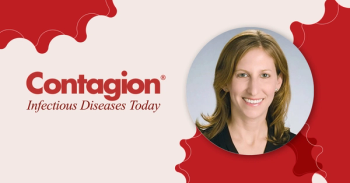
In an interview with Contagion, Mary Jane Minkin, MD, OB/GYN and clinical professor at Yale University, discussed the new CDC findings and how they impact pregnancy health care.
Minkin also discussed the ever-evolving nature of pregnancy health understanding in the era of COVID-19, how mental health is an even more integral facet of care for this patient population right now, and how US pregnancies may be influenced by what we’re currently learning.