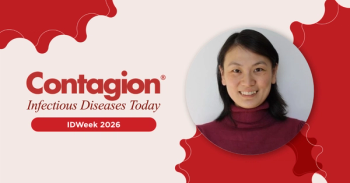
Li Tao, PhD, discusses early US uptake of twice-yearly lenacapavir, faster prescription-to-injection timelines, and how ACA coverage milestones tracked with zero cost sharing and HIV diagnoses.
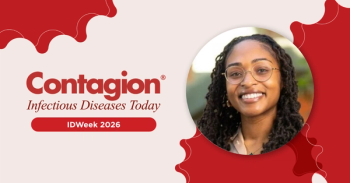
Colleen Kelley, MD, MPH, describes barriers to the implementation of HIV pre-exposure prophylaxis.
Segment Description: Colleen Kelley, MD, MPH, associate professor at the Emory University School of Medicine, describes barriers to the implementation of HIV pre-exposure prophylaxis.
Interview Transcript (modified slightly for readability):
Kelley: I do think we are seeing declines [in HIV incidence] in areas that have done a great job implementing pre-exposure prophylaxis. The issue is implementation. It's getting pre-exposure prophylaxis to the people who need it the most, and supporting them to be able to use it during times when they may be at risk for HIV. Implementation and access are big barriers. After that is successfully supporting people to persist on PrEP, to continue taking it through the period of time where they might be at risk for HIV. Currently I think those are the 3 biggest barriers: implementation, access, and persistence on pre-exposure prophylaxis.