|Articles|December 17, 2021

CDC Recommends mRNA COVID-19 Vaccines Over J&J, Citing Rare Blood Clots

Author(s)Nina Cosdon

The CDC is recommending the Pfizer-BioNTech and Moderna COVID-19 vaccines over Janssen’s, due to 57 cases of a rare blood clotting condition.

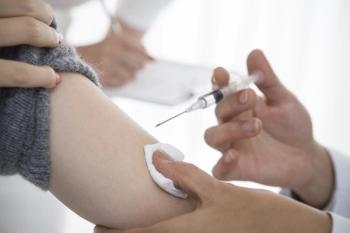
Last night, the US Centers for Disease Control and Prevention (CDC) recommended the Pfizer-BioNTech and Moderna vaccines over Janssen’s (Johnson & Johnson; J&J) COVID-19 vaccination.

While the CDC still recommends the Janssen shot if no other vaccines are available, 57 cases of rare blood clotting led the CDC to promote the mRNA vaccines over Janssen’s.

The condition, thrombosis with thrombocytopenia syndrome (TTS), is indicated by blood clots and low blood platelet levels. Of the 57 cases, most occurred in women 18-49 years old, and 36 required treatment in intensive care units.

Since April 2021, the rate of TTS has slowly increased to 3.8 per million doses administered. While the condition remains rare, there have been 9 reported deaths so far, 7 in women and 2 in men.

The updated recommendation comes unanimously from the CDC’s Advisory Committee on Immunization Practices (ACIP) panel, which the CDC opted to endorse.

Due to the US’s optimal supply of mRNA vaccines, the Janssen vaccine is no longer needed as a first resort. However, ACIP continued to assert that “receiving any vaccine is better than being unvaccinated. Individuals who are unable or unwilling to receive an mRNA vaccine will continue to have access to Johnson & Johnson’s COVID-19 vaccine.”

Approximately 16.9 million Americans received a dose of the Janssen vaccine. Because the initial regimen only consists of 1 dose, as opposed to 2 shots for the mRNA vaccines, the Janssen vaccine was widely rolled out among populations for whom receiving a multi-dose series would prove more difficult, such as low-income people or people experiencing homelessness.

The CDC emphasized that COVID-19 vaccination is safe and effective, and the vaccines are under the most scrupulous monitoring in US history.

“More than 200 million Americans have completed their primary vaccine series, providing protection against COVID-19, preventing millions of cases and hospitalizations, and saving over a million lives…I continue to encourage all Americans to get vaccinated and boosted," CDC Director Dr. Rochelle Walensky said.



Related to this article

Pfizer 25-Valent Pneumococcal Vaccine Boosts Serotype 3 Response in Infants
Alejandra Gurtman, MD, discussed the phase 2 data at IDWeek 2026 which showed the investigational 25-valent pneumococcal conjugate vaccine 25vPnC produced serotype 3 antibody levels about 15-fold higher than Prevnar 20 after the booster dose, targeting a serotype still behind 10.6% of invasive pneumococcal disease in US children younger than five years.
FAQ: Ebola Prevention, Treatment and the Chances of a US Outbreak
As the Bundibugyo virus outbreak in the Democratic Republic of the Congo surpasses 9300 confirmed cases and 4400 deaths, this FAQ explains how the virus spreads, how it presents, why it is hard to diagnose and treat, which vaccines and therapies are being tested, and why CDC considers the risk to the United States low.
Measles Update: October 30, 2026
The latest CDC numbers show a 5.8% increase in measles cases from week-to-week, bringing the 2026 US total to more than double the amount seen in all of 2025 with 2 months left in the year.
Cefiderocol Continues to Show Activity Against Resistant Gram-Negative Infections
Shionogi data presented at IDWeek 2026 demonstrated a 76.7% clinical response with cefiderocol in carbapenem-resistant respiratory infections and high in vitro activity against resistant P aeruginosa VAP isolates. Christine Slover, PharmD, vice president, Infectious Diseases US Medical Affairs, Shionogi, offers insights on the data as well as clinical considerations for providers when weighing the antibiotic for patients.