|Articles|October 19, 2021

Children Capable of Carrying High Levels of Live COVID-19 Virus

Author(s)Nina Cosdon

Infants, children, and adolescents can carry and spread COVID-19 at the same rate as adults.

Once believed to be incapable of contracting the virus, recent data estimates pediatric cases comprise 16% (5.7 million) of all COVID-19 infections.

Infected children are more likely to have asymptomatic or mild COVID-19, but they still transmit the virus to adults and other children at a similar rate. Hospitalization and mortality rates are still far lower for children than adults, but the Delta variant has driven this up dramatically.

A new study conducted by the Departments of Pediatrics, Microbiology, and Neurobiology at the University of Alabama at Birmingham aimed to detail the virological characteristics of children infected with COVID-19. The study included a cohort of 110 children who presented to the Massachusetts General Hospital or urgent care clinics with symptoms of or exposure to COVID-19 from April 2020-2021.

Upper respiratory tract (nasopharyngeal, oropharyngeal, and anterior nasal) swabs were collected from all children. Most of the children presented due to potential COVID-19 exposure, and the other 30 had asymptomatic infection. One in three were hospitalized and 18 had moderate to severe infection.

Notably, viral load (determined using a quantitative PCR test) of the children had no correlation with age, duration of symptoms, or severity of infection, while past studies of adults consistently found higher viral load in COVID-19 patients with severe disease. All children in the study, asymptomatic and symptomatic, shed higher levels of infectious virus and viral RNA during the first five days of infection. Viral RNA sequencing showed that the children in the study were infected with the same viruses as the rest of the community, suggesting that the children were not hosting novel viral variants at the time.

The study attributed the rise in COVID-19 incidence among children to the reopening of schools and relaxing of COVID-19 preventative measures. The investigators expressed concerns that continued transmission of COVID-19 among children and from children to adults will increase the chance of new viral variants emerging.



Related to this article

Pfizer 25-Valent Pneumococcal Vaccine Boosts Serotype 3 Response in Infants
Alejandra Gurtman, MD, discussed the phase 2 data at IDWeek 2026 which showed the investigational 25-valent pneumococcal conjugate vaccine 25vPnC produced serotype 3 antibody levels about 15-fold higher than Prevnar 20 after the booster dose, targeting a serotype still behind 10.6% of invasive pneumococcal disease in US children younger than five years.
Measles Update: October 23, 2026
The latest CDC numbers show a 4.0% increase in measles cases from week-to-week, bringing the 2026 US total to 4588 confirmed cases. Ninety-six percent of cases are outbreak-associated.
Inhaled Amikacin Shows Low Resistance Rates in MAC Lung Disease in ENCORE
In the phase 3b ENCORE trial, adding amikacin liposome inhalation suspension (ALIS) to azithromycin and ethambutol significantly improved culture conversion in newly diagnosed MAC lung disease, while treatment-emergent amikacin (2.2%) and macrolide (1.1%) resistance stayed rare. Kevin Winthrop, MD, provides insights around the study.
Measles Update: October 16, 2026
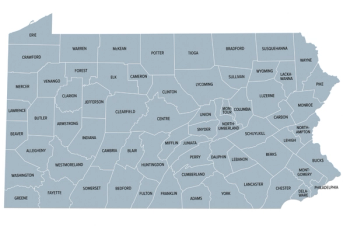
The latest CDC numbers show an 8.1% increase in measles cases from week-to-week, bringing the 2026 US total to 4410 confirmed cases. A CDC disease detective is going to Pennsylvania to aid in the state's massive outbreak, and the agency reports on a rare measles complication that is uniformly fatal.
NFID Survey Finds Respiratory Vaccine Gap Driven by Lack of Clarity, Not Hesitancy
The National Foundation for Infectious Diseases (NFID) recently held its respiratory season kick-off, which included the release of its annual respiratory disease survey. This year, the survey revealed the gap between vaccine support and uptake. Robert Hopkins Jr, MD, medical director of NFID delves deeper into the findings of the survey and the vaccine uptake challenges associated with certain immunizations.
Measles Update: October 9, 2026
The latest CDC numbers show a 5.0% increase of measles cases from week-to-week. The US total reached 4080 confirmed cases, 78% above all of 2025.