|Videos|February 23, 2021

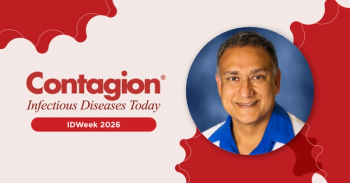
Chris Beyrer, MD, MPH: Evolving HIV Movements

Attention to the endemic virus has lessened over years, and screening and prevention access remains limited among the most at-risk groups.

Video highlights

0:20 The politicization of HIV
2:02 The need for new HIV advocacy
5:25 Improving HIV screening and monitoring

As the epidemiology and geographical burdens of HIV have shifted in its fourth decade, the goals and strategies in place to combat the virus among the youngest populations must reflect the changes.

In the second segment of an interview with Contagion®, Chris Beyrer, MD, MPH, a professor of Public Health and Human Rights in the Johns Hopkins Bloomberg School of Public Health, discussed how HIV advocacy has transitioned from an extraordinary grassroots fundraising movement against “anemic funding,” to a push for costly treatment access in burdened regions and countries, and now to a place where its political and media standing is lessened.

“Where we are now is that HIV/AIDS has dropped off the US conversation,” Beyrer said. “But the epidemic has not gone away. It’s gotten worse in fact. It’s become an endemic infection among people in the South and Southeast.”

Along with sharing perspective on shifting messaging and education to meet younger at-risk population online, Beyrer discussed the goal of “closing the gap” on uninsured and underinsured access to means of pre-exposure prophylaxis (PrEP), HIV screening, and testing.

“The uptake remains low, and access remains a problem,” Beyrer said.


Related to this article

Cefiderocol Continues to Show Activity Against Resistant Gram-Negative Infections
Shionogi data presented at IDWeek 2026 demonstrated a 76.7% clinical response with cefiderocol in carbapenem-resistant respiratory infections and high in vitro activity against resistant P aeruginosa VAP isolates. Christine Slover, PharmD, vice president, Infectious Diseases US Medical Affairs, Shionogi, offers insights on the data as well as clinical considerations for providers when weighing the antibiotic for patients.
Household Contacts Drive Most Hepatitis B Exposures in Young Children
Karen B. Jacobson, MD, MPH, of Kaiser Permanente Northern California, presented data at IDWeek 2026 showing 58.2% of children younger than five years exposed to active hepatitis B in the home were exposed by someone other than their birth mother, a risk maternal screening alone would miss under the CDC’s revised birth dose recommendation.
Inhaled Amikacin Shows Low Resistance Rates in MAC Lung Disease in ENCORE
In the phase 3b ENCORE trial, adding amikacin liposome inhalation suspension (ALIS) to azithromycin and ethambutol significantly improved culture conversion in newly diagnosed MAC lung disease, while treatment-emergent amikacin (2.2%) and macrolide (1.1%) resistance stayed rare. Kevin Winthrop, MD, provides insights around the study.