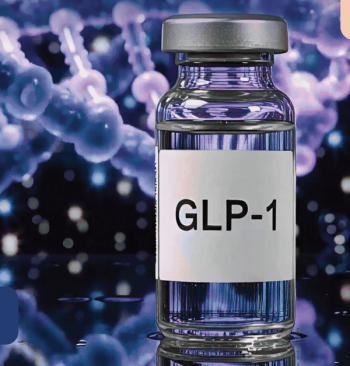
Here is a review of glucagon-like peptide-1 receptor agonist use in people with HIV.
Investigators compared characteristics and retention between daily and event-driven PrEP patients to better understand low uptake of event-driven PrEP.
Event-driven pre-exposure prophylaxis (PrEP) against HIV has begun to be offered to patients in recent years, presenting an alternative to daily PrEP oral administration. But adherence strategies are still in development, according to the results of a recent study in Thailand.
Event-driven PrEP is initiated 2-24 hours ahead of sexual activity, but the most common method of HIV PrEP is a daily oral pill. Investigators from Thai Red Cross, the Bangkok Service Workers Group, and the USAID Office of Public Health compared characteristics and retention between daily and event-driven PrEP patients to better understand low uptake of event-driven PrEP.
The study team drew on data from Thailand’s “Princess PrEP” program, an initiative at 8 community clinics. All patients were offered a choice between daily and event-driven PrEP.
A sizable majority of 94.8% of patients initially selected daily PrEP. The total counts of patients on daily PrEP and event-driven PrEP were 2516 and 139 respectively. The median age of patients was 30 years; 93.6% reported inconsistent condom use.
Clinic patients reported reasoning for their choice between daily and event-driven medication. Reasons for preferring daily PrEP included frequency of sex or not wanting to delay intercourse.
Patients who selected event-driven PrEP cited infrequent sex or ease of predicting/delaying intercourse.
In the event-driven PrEP group, retention was 18.7% at month 1, 22.3% at month 3, and 23.7% at month 6.
In the daily PrEP group, retention rates at those same time points were 31.6%, 35.2%, and 38.4%.
A substantially smaller group of clinic patients selected event-driven PrEP, and those who did fared worse with respect to retention. The investigators suggested experimenting with technologies such as digital pill reminders in order to finetune the future rollout of event-driven PrEP.
Findings were presented at the