|Articles|June 9, 2022

Evusheld Significantly Prevents Severe or Fatal COVID-19 Disease Progression

Author(s)Nina Cosdon

AstraZeneca’s Evusheld, dual injections of tixagevimab and cilgavimab, reduced the risk of severe or fatal COVID-19 disease by 50%. When administered within 3 days of symptom onset, Evusheld had an 88% risk reduction.

Yesterday, AstraZeneca shared positive phase 3 trial results for Evusheld (tixagevimab and cilgavimab), a dual injectable for early outpatient treatment of mild-to-moderate COVID-19.

“These results…add to the growing evidence supporting the use of Evusheld to help patients who most need additional protection against COVID-19,” said Mene Pangalos, the executive vice president of biopharmaceuticals research and development at AstraZeneca.

Study results from the ongoing TACKLE trial were published yesterday in The Lancet Respiratory Medicine, and showed that Evusheld provided clinically and statistically significant protection against severe COVID-19 disease progression or death by any cause, in comparison to placebo.

Evusheld was originally developed by Vanderbilt University Medical Center researchers. Its long-acting antibody combination, tixagevimab and cilgavimab, are both human monoclonal antibodies derived from B-cells donated by patients who survived a COVID-19 infection.

The phase 3 TACKLE trial is a randomized, double-blind, placebo-controlled study of 903 patients with laboratory confirmed COVID-19 infection. The participants were not vaccinated against COVID-19, had mild-to-moderate infection, were symptomatic for no more than 7 days, and were not hospitalized.

Notably, 90% of the included participants were at high risk of severe or fatal COVID-19 disease progression, due to comorbidities or advanced age.

The study patients were randomized 1:1 to receive 2 sequential intramuscular injections of either Evusheld or a saline placebo. The primary trial endpoint was either severe COVID-19 disease or death from any cause through day 29 of the study.

The trial results showed that a 600 mg dose of Evusheld reduced the risk of severe or fatal COVID-19 by 50%. Evusheld benefits were more significant the earlier patients received their injections. In participants dosed with Evusheld within 3 days of symptom onset, the risk of developing severe or fatal disease reduced by 88% compared to placebo. When treated within 5 days of symptom onset, Evusheld had a risk reduction of 67% compared to placebo.

Hugh Montgomery, the TACKLE principal investigator and a professor of intensive care medicine at University College London, UK, spoke to the importance of developing treatments like Evusheld that reduce the risk of severe or fatal COVID-19 disease. “Despite the success of vaccines, many individuals such as older adults, individuals with co-morbidities and those who are immunocompromised, remain at risk for poor outcomes from severe COVID-19.

“Additional options are needed to prevent disease progression and reduce the burden on healthcare systems, especially with the continued emergence of new variants. The TACKLE results show that one intramuscular dose of Evusheld can prevent these individuals from progressing to severe COVID-19, with earlier treatment leading to even better results.”

Evusheld also reduced the risk of respiratory failure, a secondary endpoint of TACKLE, by 72%. Mechanical ventilation or extracorporeal membrane oxygenation was required by 0.7% (n = 3) of Evusheld recipients, as compared to 3% (n = 11) of placebo recipients.

Evusheld was generally well-tolerated, with adverse events more frequently reported among the placebo recipients. The most common adverse event of both cohorts was COVID-19 pneumonia, occurring in 11% (n = 49) of the placebo group and 6% (n = 26) of the Evusheld group.

Evusheld was approved by Health Canada for COVID-19 pre-exposure prophylaxis in April 2022, and received Emergency Use Authorization (EUA) by the US Food and Drug Administration (FDA) in December 2021. In late February, the FDA recommended approved populations receive a higher dosage of Evusheld to ensure protection against the highly infectious Omicron variant.

“We are discussing the TACKLE data with regulatory authorities and continue to progress submissions in both treatment and prophylaxis indications to help combat COVID-19 on all fronts,” Pangalos said.



Related to this article

Pfizer 25-Valent Pneumococcal Vaccine Boosts Serotype 3 Response in Infants
Alejandra Gurtman, MD, discussed the phase 2 data at IDWeek 2026 which showed the investigational 25-valent pneumococcal conjugate vaccine 25vPnC produced serotype 3 antibody levels about 15-fold higher than Prevnar 20 after the booster dose, targeting a serotype still behind 10.6% of invasive pneumococcal disease in US children younger than five years.
Measles Update: October 23, 2026
The latest CDC numbers show a 4.0% increase in measles cases from week-to-week, bringing the 2026 US total to 4588 confirmed cases. Ninety-six percent of cases are outbreak-associated.
Inhaled Amikacin Shows Low Resistance Rates in MAC Lung Disease in ENCORE
In the phase 3b ENCORE trial, adding amikacin liposome inhalation suspension (ALIS) to azithromycin and ethambutol significantly improved culture conversion in newly diagnosed MAC lung disease, while treatment-emergent amikacin (2.2%) and macrolide (1.1%) resistance stayed rare. Kevin Winthrop, MD, provides insights around the study.
Measles Update: October 16, 2026
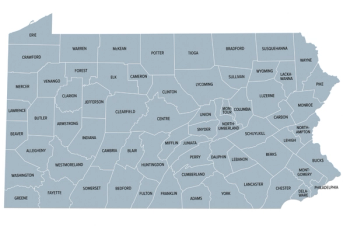
The latest CDC numbers show an 8.1% increase in measles cases from week-to-week, bringing the 2026 US total to 4410 confirmed cases. A CDC disease detective is going to Pennsylvania to aid in the state's massive outbreak, and the agency reports on a rare measles complication that is uniformly fatal.
NFID Survey Finds Respiratory Vaccine Gap Driven by Lack of Clarity, Not Hesitancy
The National Foundation for Infectious Diseases (NFID) recently held its respiratory season kick-off, which included the release of its annual respiratory disease survey. This year, the survey revealed the gap between vaccine support and uptake. Robert Hopkins Jr, MD, medical director of NFID delves deeper into the findings of the survey and the vaccine uptake challenges associated with certain immunizations.
Measles Update: October 9, 2026
The latest CDC numbers show a 5.0% increase of measles cases from week-to-week. The US total reached 4080 confirmed cases, 78% above all of 2025.