|Articles|March 19, 2020

FDA Approves Combination Therapy For Children With HCV

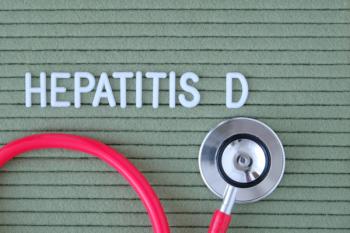
The FDA approved a combination therapy of sofosbuvir and velpatasvir to treat children with hepatitis C virus.

This story originally appeared on HCPLive.

The US Food and Drug Administration (FDA) has announced the approval of a supplemental application for a combination therapy of sofosbuvir and velpatasvir (Epclusa) to treat children with hepatitis C virus (HCV).

The agency has already approved sofosbuvir and velpatasvir to treat adults with HCV.

The approval gives additional treatment options for children who weigh >37 pounds or are >6 years old who have any of the 6 HCV strains, Debra Birnkrant, MD, director of the Division of Antivirals in the FDA’s Center for Drug Evaluation and Research, said in the FDA's statement.

The agency approved the treatment following an open-label, multicenter clinical trial to test the safety, efficacy, and pharmacokinetics of the combination therapy to treat HCV genotypes 1-4 or 6.

Investigators enrolled 173 treatment-naïve and treatment-experienced pediatric patients who were >6 years old without cirrhosis or with mild cirrhosis. The team saw no meaningful differences in pediatric patients compared with adults.

Safety and efficacy were comparable to those observed in adults. Among 102 patients 12-17 years old, 93% of patients with genotype 1 and 100% of those with genotypes 2-4 and 6 had no detectable virus in their blood 12 weeks after finishing the twelve-week treatment. Of the 71 children ages 6-11 years old with HCV genotypes 104, 93% with genotype 1, 91% with genotype 3, and 100% with genotypes 2 and 4 had no virus detected 12 weeks after finishing treatment.

The results suggested that the patients’ infection was cured.

Adverse effects of the combination therapy included fatigue and headache, on par with reactions observed in clinical trials of the treatment in adults.

The FDA approval could be important in settings where there is limited ability for providers to conduct HCV genotype testing, Birnkrant said.

Related to this article

FAQ: Ebola Prevention, Treatment and the Chances of a US Outbreak
As the Bundibugyo virus outbreak in the Democratic Republic of the Congo surpasses 9300 confirmed cases and 4400 deaths, this FAQ explains how the virus spreads, how it presents, why it is hard to diagnose and treat, which vaccines and therapies are being tested, and why CDC considers the risk to the United States low.
Measles Update: October 16, 2026
The latest CDC numbers show an 8.1% increase in measles cases from week-to-week, bringing the 2026 US total to 4410 confirmed cases. A CDC disease detective is going to Pennsylvania to aid in the state's massive outbreak, and the agency reports on a rare measles complication that is uniformly fatal.
FAQ: What You Need to Know About West Nile Virus in 2026
After 2 adults died of West Nile virus in central North Carolina this month, this FAQ explains how the mosquito-borne virus spreads, who faces the greatest risk of severe neuroinvasive disease, and how clinicians can diagnose, manage, and help prevent infection when no vaccine or antiviral treatment exists.