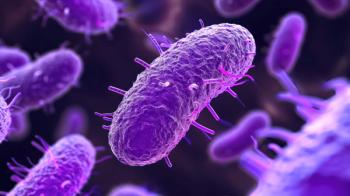
The first animal model of neonatal sepsis to evaluate protection by maternal vaccination evidences transfer of immunity against virulent, often antibiotic-resistant Klebseilla pneumoniae.
Emergency authorization may be complete before the end of August, ensuring more protection for patients burdened with certain chronic diseases.
Booster
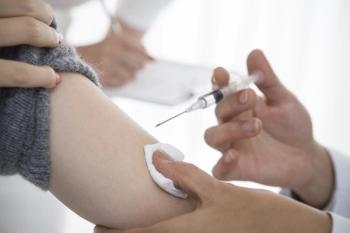
The US Food and Drug Administration (FDA) is working to expedite regulatory submissions and emergency authorizations of additional COVID-19 vaccines for previously-vaccinated Americans with impaired immune systems, including those with cancers or other treated inflammatory diseases.
The decision comes at a time when highly transmissible variants of SARS-CoV-2, including delta and lambda, are driving the second-greatest spike in new COVID-19 cases in the US over a period of a month. Immunocompromised patients have been a prioritized group for booster-dose authorization among FDA and CDC decision makers, given both the subpopulation’s heightened risk for COVID-19 disease severity, as well as their weakened response to administered vaccine.
Both The New York Times and The Washington Post reported the decision to grant Emergency Use Authorization (EUA) to at least 2 of the available COVID-19 vaccines is anticipated by the end of this month.
Full FDA approval of Pfizer-BioNTech’s 2-dose mRNA vaccine BNT162b2—a move which experts have hoped will instill more public trust in COVID-19 vaccines—is now anticipated for early September, if not sooner.
Approximately 3% of the US population is immunocompromised due to cancers, organ transplant, chronic liver or kidney disease, or treatment with immunosuppressant therapy.
Anthony S. Fauci, MD, director of the National Institution of Allergy and Infectious Diseases (NIAID) said in an interview Friday that the rationale for a quickly authorized booster dose in such a population is based on “much, much more of a compelling reason to do that sooner rather than later,” as opposed to authorizing booster doses for all vaccine recipients.
“The data are unequivocal that they have not gotten a good response to begin with,” Fauci said about immunocompromised patients.