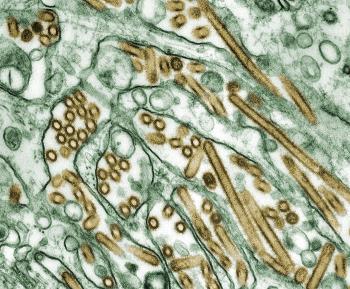
A Yakima County resident exposed to infected dairy cattle has died of avian influenza. A third human case has also been confirmed as H5N1 spreads to 33 herds in the county.
The EUA grants clinicians and caregivers capability to provide serologic assay results in person to potentially infected patients.
The US Food and Drug Administration (FDA) has issued an Emergency Use Authorization (EUA) for the first point-of-care serologic antibody test in potential patients with
The EUA is actually a reissue, to the Assure COVID-19 IgG/IgM Rapid Test Device, which was first authorized for emergency use in indicated labs for identifying SARS-CoV-2 antibodies in individuals this July. The newest EUA now authorizes the device to be used for testing fingerstick blood samples in point-of-care settings including physician’s offices, hospitals, urgent care facilities, and the emergency room for in-person results.
Approximately 50 serologic tests have been granted an EUA by the FDA since the beginning of the COVID-19 pandemic. This lateral flow assay is authorized for use with venous whole blood, serum, plasma, and fingerstick whole blood.
The matters of SARS-CoV-2 antibody development, immunity, and persistence are not wholly understood in the ongoing research of immune response to the virus. As such, the FDA stressed with this newest available antibody test that patients should not use antibody test results as any indication to lessen their preventive measures against COVID-19 infection to themselves or those around them.
Social distancing, mask wearing, or returning to work should not be determined by antibody test results.
That said, FDA Commissioner Stephen M. Hahn, MD emphasized in a
“Until today, serology test samples were generally only able to be evaluated in a central lab, which can be time consuming and use additional resources to transport samples and run the test,” he said. “As more and more point-of-care serology tests are authorized, they will help conserve those resources and may help reduce processing time for other types of COVID-19 tests, as less time is spent on serology tests."