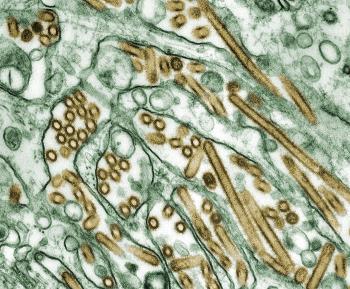
A Yakima County resident exposed to infected dairy cattle has died of avian influenza. A third human case has also been confirmed as H5N1 spreads to 33 herds in the county.
The agency notes that they are working closely with industry officials to expedite efforts to develop countermeasures for COVID-19.
The US Food and Drug Administration (FDA)
In a press briefing today President Trump indicated that chloroquine, which is currently approved to treat malaria, lupus, and rheumatoid arthritis, is being evaluated as a potential treatment for COVID-19. Studies are underway to determine if chloroquine can reduce the duration of symptoms in mild-to-moderate infections as well as cut down on viral shedding.
“While there are no FDA-approved therapeutics or drugs to treat, cure, or prevent COVID-10, there are several FDA-approved treatments that may help ease the symptoms from a supportive care perspective,” according to the press release.
The agency notes that they are working closely with industry officials to expedite efforts to develop countermeasures. The FDA has been working with interested sponsors to expedite additional clinical trials for COVID-19 prevention and treatment options.
Gilead Sciences Inc., has been working closely with the FDA to identify pathways to study remdesivir under investigational new drug requirements while simultaneously providing the drug to patients under emergency authorization. Last month, the National Institutes of Health (NIH)
Through emergency authorization expanded access program, the FDA has granted access to remdesivir to approximately 250 patients. Data collected from this program may contribute to the understanding of remdesivir’s activity against COVID-19; however, controlled trials are required to determine safety and efficacy.
The agency also notes that host targets such as interleukin-6 (IL-6) receptor inhibitors are being examined as a potential aid to reduce lung inflammation in patients with COVID-19 to slow progression to severe respiratory syndromes. In fact, Regeneron Pharmaceuticals has
On Friday, March 20th, Novartis
According to the statement, the FDA is taking lead on evaluating whether convalescent plasma and hyperimmune globulin from people who have recovered from SARS-CoV-2 could shorten the length or lessen the severity of the illness.
US agencies are also committed to expediting the development of an effective vaccines. Earlier this week the NIH announced the launch of a
“The FDA remains steadfast in helping to foster the development of safe and effective medical countermeasures and ensuring they are available as quickly as possible to protect public health and safeguarding Americans from fraudulent products claiming to prevent, treat, or diagnose COVID-19 as part of the agency’s around-the-clock response to this outbreak,” the statement concludes.