|Videos|November 12, 2021

Looking at Adjunct Therapy for C Difficile Treatment, Prevention of Recurrence

Clinical care is evolving in this area and shows promise in the various modalities and therapies that are going through clinical trials.

Clinical care for C difficile has been shown to have a recurrence rate between 20% to 30%. This has been an ongoing challenge for providers for years and can often leave not only clinicians looking for new modalities and therapies, but can greatly affect patients’ quality of life as they struggle with this infection that can happen repeatedly.

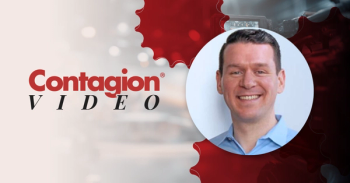
At the recent 9th Annual International C. Diff Conference & Health EXPO, Dale Gerding, MD, FACP, FIDSA, professor of Medicine at Loyola University Chicago Stritch School of Medicine in Maywood, Illinois, and research physician at the Edward Hines Jr. VA Hospital, presented his session, Adjunctive Therapy for CDI to Prevent Recurrence: Practical Issues.

Gerding says the conference reported on investigational modalities involving both treatment and prevention of recurrent C diff. He says a newer clinical paradigm could emerge if some of these therapies are approved and will require some adjustments to everyone involved.

“The real question is are clinicians and patients going to be prepared to have two different prescriptions written for the treatment of their infection?” Gerding said. “You need to prescribe the antibiotics for the acute symptoms. When those go away, then you still have got another treatment for prevention for further recurrences.”

Gerding has been involved in research in this field for years, and during the conference, he was presented with a Lifetime Achievement award from the C Diff Foundation. Sahil Khanna, MBBS, MS, presented the award to Gerding, for his outstanding vision, dedication, and commitment and for the advancement of Clostridioides difficile research, development, and care through the years, according to a statement released from the foundation.

Going forward, The Dale Gerding Lifetime Achievement award will be presented annually during the C Diff Foundation’s November conference to a healthcare professional meeting the criteria, nominated by peers, and awarded by Gerding himself.

Contagion spoke to Gerding who offered further insights into some adjunct therapies and microbiota treatments for C difficile.

Related to this article

Peggy Lillis Foundation Will Honor C diff Advocates at Annual Gala
The Peggy Lillis Foundation will host its 17th Annual Changing the Odds Gala this month in New York City, and it will include a casino, fellowship amongst the C diff community, and an award ceremony honoring a physician-scientist, philanthropist, a researcher, and a patient advocate for their contributions to C difficile awareness, treatment, and prevention.
Asymptomatic C difficile Colonization in Infants Doesn’t Mean Benign
A new study in infants challenges the long-standing belief about the pathogen’s effects in the youngest pediatric population. Senior author Joseph Zackular, PhD, provides insights around his work including how it reshapes gut development and offers potential intervention strategies to shield neonates.
How The Food Safety Surveillance Infrastructure Works in the US
In the first episode of our new series looking at the food safety network, Lynette Johnston, PhD, offers insights into how the federal government surveillance infrastructure operates and how epidemiologists serve as food detectives in determining bacterial pathogens and potential foodborne outbreaks.