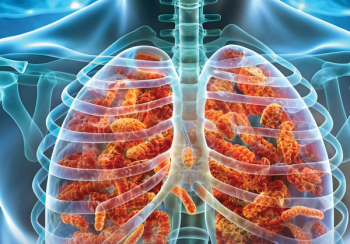
A new UCLA-led study shows that pregnant individuals getting vaccinated against COVID-19 lowers the chances of their newborns experiencing respiratory distress (RD). Investigators examined the link between maternal COVID-19 vaccination and RD in neonates born to mothers exposed to SARS-CoV-2 during pregnancy. The risk of RD was significantly lower when the mothers infected during pregnancy were previously vaccinated.
Of the 221 mothers in the study, 151 (68%) were not vaccinated before getting infected. Among them, 23 (16%) had severe or critical COVID disease, contrasting with only 3 (4%) among vaccinated mothers. The study observed a high occurrence of RD in 34 (17%) out of 199 exposed infants, only 5 (16%) were born to mothers who had been vaccinated before infection. In contrast, 63 (41%) of those were without the RD. Notably, 21% of infants with RD were born to mothers with severe or critical COVID-19, whereas only 6% of infants without RD had mothers with severe disease.
“We found unusually high rates of respiratory distress shortly after birth in the full-term babies born to mothers who had COVID-19 during pregnancy,” said senior author Dr. Karin Nielsen, MD, professor of pediatrics in the division of pediatric infectious diseases at the David Geffen School of Medicine at UCLA. “The mothers had not been vaccinated prior to acquiring COVID, indicating that vaccination protects against this complication.”
3 Key Takeaways
- The key finding of the study led by UCLA is that maternal vaccination against COVID-19 is associated with a significant reduction in the frequency of neonatal respiratory distress (RD).
- Infants born to mothers with severe disease had a higher likelihood of experiencing RD.
- A protective effect of maternal vaccination, with a significantly lower risk of RD observed in infants born to vaccinated mothers compared to those born to unvaccinated mothers.
The researchers conducted a proteomics study to investigate the development of RD after in-utero exposure to SARS-CoV-2. The study revealed abnormal functioning of motile cilia and increased production of immunoglobulin E (IgE) in infants with RD. The proteomic analysis indicated a strong inflammatory response, ciliary dysregulation, and increased IgE production in neonates with RD.
“Only 3 infants in our cohort with RD were born to mothers who had completed the two-dose series, limiting our ability to statistically assess the effect of full vaccination versus partial vaccination on infant RD,” according to investigators. “Nevertheless, the small number of infants with RD born to women who completed the two-dose series highlights the potential benefit of additional maternal vaccine doses in reducing poor infant outcomes.”
The study had limitations. Most participants were from a major medical center that mainly handles severely ill patients. Additionally, some mother-infant pairs were transferred from smaller community hospitals across the county due to the severity of illness, potentially biasing the findings towards a higher prevalence of severe COVID cases than in the general population. The investigators lacked data on the impact of COVID infection before vaccination or of vaccination following infection, factors that could influence maternal disease severity, and its impact on fetal development. Furthermore, the results should be approached with caution due to the relatively small sample size.
It is highly encouraged for pregnant individuals to receive mRNA COVID-19 vaccines, irrespective of prior COVID-19 infection history. Further research is needed to explore the long-term effects on infant health, especially chronic pulmonary conditions.
Reference
1. Man, O.M., Azamor, T., Cambou, M.C. et al. Respiratory distress in SARS-CoV-2 exposed uninfected neonates followed in the COVID Outcomes in Mother-Infant Pairs (COMP) Study. Nat Common. Published January 24, 2024. Accessed January 24, 2024. https://doi.org/10.1038/s41467-023-44549-5