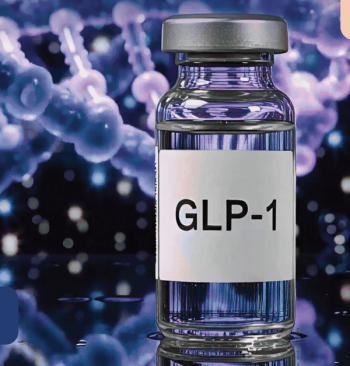
Here is a review of glucagon-like peptide-1 receptor agonist use in people with HIV.
Methamphetamine use and experienced intimate partner violence led to increased HIV viral replication in Black and Latinx men who have sex with men.
Social genomics has shown altered inflammatory and type I interferon (IFN) gene expression in persons subjected to chronic social stress.
Increases in inflammation and type I IFN exhaust CD4 and CD8 immune cells and can increase viral replication, leading to adverse outcomes in people living with HIV.
A study, conducted by
The investigators wanted to utilize social genomics to examine how the stress of partner violence and drug use affect the genome.
The study included 147 HIV-positive Black and Latinx MSM, aged 18-45 years. Participants were recruited from the MSM and Substances Cohort at UCLA Linking Infections Noting Effects (mSTUDY). The mSTUDY analyzes data of Los Angeles County MSM, most of whom are Latino and Black/African American and considered to be at high risk of HIV infection.
The investigators derived transcriptomic measures of inflammatory and type I IFN from RNA sequencing of peripheral blood mononuclear cells. These were matched to urine drug tests, VL, and data from 2 surveys given a year apart.
The investigators used linear random intercept modeling of meth use, unsuppressed VL, and experienced intimate partner violence on inflammatory and type I IFN expression.
The findings showed a combination of social stressors and substance abuse increased the risk of weakened immune function in HIV-positive Black and Latinx MSM.
Methamphetamine use predicted 27% upregulated inflammatory and 31% upregulated type I IFN expression. Unsuppressed VL was correlated with 84% upregulated type I IFM, but not with inflammatory expression. Experienced intimate partner violence had a 31% upregulated inflammatory and 26% upregulated type I IFN expression.
Overall, chronic meth use and experienced intimate partner violence dysregulated the inflammatory and innate antiviral responses, leading to HIV viral replication and risk of chronic diseases. The findings affirm social genomics, as social challenges and substance use altered the immune function of HIV-positive MSM at the molecular level.