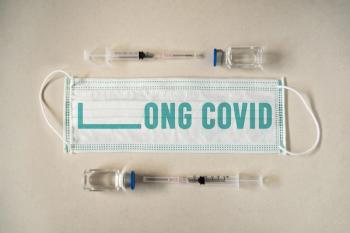
In a target trial emulation using N3C data, adults prescribed metformin within six days of SARS-CoV-2 infection had about half the risk of long COVID or death within six months.
Based on recent studies, the company sees benefits in administering booster doses.
In a statement released yesterday, Moderna discussed findings from studies demonstrating their COVID-19 vaccine's effectiveness, but also that immunity from the vaccine wanes several months after administration.
The company highlighted findings from a prospective cohort study at Kaiser Permanente Southern California. In the analysis, they matched 352,878 people who received 2 doses of the Moderna, mRNA-1273, COVID-19 vaccine with 352,878 unvaccinated individuals. They found the vaccine was 87% effective (99.3% CI: 85-90%) against COVID-19 diagnosis, and 96% (99.3% CI: 91-98%) against COVID-19 hospitalization.
“It is promising to see clinical and real-world evidence adding to the growing body of data on the effectiveness of the Moderna COVID-19 vaccine,” Moderna CEO Stéphane Bancel, said in a statement.
The study period was conducted through June 30 during the emergence of the Delta variant with 47% of COVID-19 cases reported in fully vaccinated individuals.
The company also released data from its phase 3 COVE study, showing waning immunity in people who had been given the vaccines several months prior. The data appears to support the addition of a booster dose.
New analysis of an open-label portion of the study shows lower risk of breakthrough infection in participants vaccinated more recently (from December 2020-March 2021, median 8 months after first dose, n=11,431) than participants vaccinated last year (from July-October 2020, median 13 months after first dose, n=14,746).
The study reported that 88 breakthrough COVID-19 infections occurred in the more recently vaccinated group (49.0 cases per 1000 person-years) compared to 162 cases in the group vaccinated last year (77.1 cases per 1000 person-years).
The reduction in incidence rates for participants vaccinated more recently compared to participants vaccinated last year was 36% (95% CI: 17-52%). A Cox proportional hazards model showed similar results after adjusting for age and risk factors for severe COVID-19. In their findings, 19 severe cases were observed. Although not found to be statistically significant, a numerical trend towards a lower rate of severe cases in the group vaccinated more recently (3.3 per 1000 person-years) compared to the group vaccinated last year (6.2 per 1000 person-years).
The increased risk of breakthrough infections in this analysis demonstrates waning immunity found in the phase 3 COVE study.
“The increased risk of breakthrough infections in COVE study participants who were vaccinated last year compared to more recently illustrates the impact of waning immunity and supports the need for a booster to maintain high levels of protection. We hope these findings are helpful as health authorities and regulators continue to assess strategies for ending this pandemic,”Bancel said in the statement.
Moderna submitted the data as a preprint to medRxiv and plans to submit the data for peer-reviewed publication.