|Articles|July 19, 2016

Most Common Cause of Gastroenteritis May Soon be Preventable

Author(s)Sarah Anwar

A norovirus vaccine developed by Takeda is the first and only one to be tested in human trials.

A norovirus vaccine developed by Takeda is the first and only one to be tested in human trials.

A Phase 2b, double-blind, randomized, placebo-controlled trial will test the efficacy of a norovirus vaccine (TAK-214) in preventing moderate to severe acute gastroenteritis brought on by norovirus. The trials will include healthy male or female adults between the ages of 18-49 years of age. Developed by Takeda Pharmaceutical Company Limited, TAK-214 uses virus-like particle (VLP) antigens from genotypes GI.1 and GII.4, which represent the two genogroups that contribute to the majority of norovirus illnesses. The vaccine was well tolerated and resulted in reduced disease symptoms as well as disease severity in patients enrolled in Phase I and II human challenge studies.

Rajeev Venkayya, MD, president of Takeda Vaccines stated in an official press release, “We are excited to be on the frontline of development of a vaccine against norovirus… The progress of our norovirus program, along with our efforts in dengue, polio, and hand foot and mouth disease, demonstrates our commitment to tackling important infectious diseases that affect populations everywhere.”

The Centers for Disease Control and Prevention (CDC) reports that norovirus is the cause of approximately 21 million cases of acute gastroenteritis per year in the United States. Norovirus is also responsible for almost 600,000 deaths per year nationwide, the majority of whom are younger children and older adults. In addition, a recent study showed that the economic burden of the virus is approximately $4.2 billion in healthcare costs and $60.3 billion in societal costs.

Recently, a suspected norovirus outbreak has caused 11 GOP staffers to be quarantined. To prevent the spread of infection to approximately 500 members of the California delegation, the effected Republicans are being held in their hotel, outside of Cleveland, Ohio. The delegates who presented with norovirus-like symptoms are currently being tested for the virus.


Related to this article

How The Food Safety Surveillance Infrastructure Works in the US
In the first episode of our news series looking at the food safety network, Lynette Johnston, PhD, offers insights into how the federal government surveillance infrastructure operates, and how epidemiologists serve as food detectives in determining bacterial pathogens and potential foodborne outbreaks.
Ebola and the Ongoing Tale of US Failures
In mid-May, as the world was still grappling with an unexpected hantavirus outbreak aboard a tourism vessel, news broke of an Ebola outbreak in the Ituri Province of the Democratic Republic of the Congo spanning at least 3 health zones, including Bunia, Rwampara, and Mongbwalu.
This Week's Top 5 Infectious Disease News Stories: September 12-September 18, 2026
In this week's top infectious disease stories, a Pennsylvania teen became the state's fourth measles death in weeks, the CDC reported a 17% summer surge in rabies exposure calls, new research revisited whether cefepime raises mortality risk, a multihospital review examined ceftriaxone's safety after state alerts, and examining Legionella pneumonia diagnostics.
Measles Update: September 18, 2026
The latest CDC numbers show a 5.37% increase of measles cases from week-to-week. In Pennsylvania, the fourth measles-related death was reported in 2026. Additionally, the CDC has made a change in the way it will report deaths.
CDC Responds to Surge in Rabies Exposures
A "Clinician Outreach" from the Centers for Disease Control and Prevention (CDC) in April anticipated an increase in rabies exposures, and the striking surge in case reports this summer prompted a recent health advisory alert from the federal agency.
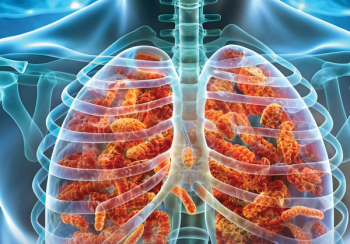
New Diagnositics for Legionella Pneumonia May Streamline Care Continuum
Reported cases of Legionnaires’ disease have been on the rise for the past decade, and identifying Legionella bacteria requires specialized testing in the microbiology lab. Here is a clinical overview of Legionella bacteria, including required testing, treatment, and reporting to public health officials.
Ceftriaxone Safety: Separating Signal From Risk
A retrospective multihospital study found that severe adverse events occurred at similarly low rates with ceftriaxone and other IV cephalosporins suggesting there is no evidence to support avoiding ceftriaxone despite recent health department safety alerts.