|Articles|August 16, 2022

Novavax Seeks FDA Authorization for its COVID-19 Vaccine as Booster

If it is granted an Emergency Use Authorization (EUA), the vaccine could be used as a booster dose for individuals 18 years and older vaccinated with any of the other available COVID-19 vaccines.


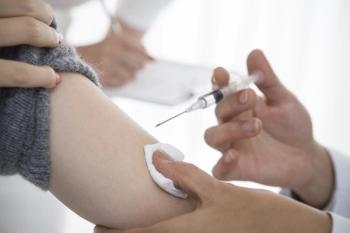
Novavax announced on Monday afternoon it was seeking an EUA for its COVID-19 vaccine, NVX-CoV2373, to be used as a homologous and heterologous booster in individuals ages 18 years and older. If authorized, it would become the first protein-based COVID-19 booster for adults.

"It's important for people to have a choice as they evaluate how to stay protected against COVID-19, and boosters are an invaluable tool to build upon immunity obtained from previous vaccinations," Novavax President and CEO Stanley C. Erck, said in a statement. "Based on the data presented to the FDA's VRBPAC and the CDC ACIP, we believe our vaccine offers a broad, long-lasting immune response against a range of variants."

This application for this EUA is supported by data from the company’s phase 3 PREVENT-19 trial conducted in the United States and Mexico, and from the UK-sponsored COV-BOOST phase 2 trial. As part of an open-label booster phase of the PREVENT-19 trial, a single booster dose of the Novavax adjuvanted COVID-19 vaccine was administered to healthy adult participants at least 6 months after their primary two-dose vaccination series of the Novavax vaccine.

The third dose produced robust antibody responses comparable to or exceeding levels associated with the efficacy data in the primary series phase 3 clinical trials. In the COV-BOOST trial, the vaccine, induced a significant antibody response when used as a heterologous third booster dose.

Last month, the FDA granted an EUA for the Novavax COVID-19 vaccine as a two-dose primary series against COVID-19 in individuals 18 years of age and older.

That EUA was based on findings from the same trial, in which investigators assessed NVX-CoV2373 in approximately 30,000 participants aged ≥18 years old in the US and Mexico. PREVENT-19 data showed a 90.4% vaccine efficacy (95% CI, 83.8 - 94.3; P <.001) versus placebo.


Related to this article

Pfizer 25-Valent Pneumococcal Vaccine Boosts Serotype 3 Response in Infants
Alejandra Gurtman, MD, discussed the phase 2 data at IDWeek 2026 which showed the investigational 25-valent pneumococcal conjugate vaccine 25vPnC produced serotype 3 antibody levels about 15-fold higher than Prevnar 20 after the booster dose, targeting a serotype still behind 10.6% of invasive pneumococcal disease in US children younger than five years.
FAQ: Ebola Prevention, Treatment and the Chances of a US Outbreak
As the Bundibugyo virus outbreak in the Democratic Republic of the Congo surpasses 9300 confirmed cases and 4400 deaths, this FAQ explains how the virus spreads, how it presents, why it is hard to diagnose and treat, which vaccines and therapies are being tested, and why CDC considers the risk to the United States low.
Measles Update: October 30, 2026
The latest CDC numbers show a 5.8% increase in measles cases from week-to-week, bringing the 2026 US total to more than double the amount seen in all of 2025 with 2 months left in the year.
Cefiderocol Continues to Show Activity Against Resistant Gram-Negative Infections
Shionogi data presented at IDWeek 2026 demonstrated a 76.7% clinical response with cefiderocol in carbapenem-resistant respiratory infections and high in vitro activity against resistant P aeruginosa VAP isolates. Christine Slover, PharmD, vice president, Infectious Diseases US Medical Affairs, Shionogi, offers insights on the data as well as clinical considerations for providers when weighing the antibiotic for patients.