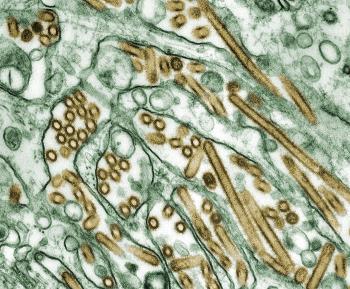
A Yakima County resident exposed to infected dairy cattle has died of avian influenza. A third human case has also been confirmed as H5N1 spreads to 33 herds in the county.
Physicians are beginning to find key patterns which will aid public health in the future.
Early on in the current pandemic, there were active discussions on a connection between the coronavirus disease 2019 (COVID-19) and the vaccination against tuberculosis. Data showed that children who were vaccinated seemed to have a milder course of the disease. Now, a recent statistical
The BCG vaccine, a biological adjuvant, causes a complex response of both innate and cellular adaptive immunity. BCG serves as a trigger for an immune system response, which activates monocytes, macrophages and natural killer cells. These components contribute to the early activation of non-antigen-specific protective programs of the body to aid in the fight against a number of infections. One of the infections which the BCG can alter may be COVID-19.
The acute respiratory distress syndrome caused by COVID-19 is characterized by the triggering of inflammatory mediators like cytokines. After a BCG vaccine, lymphocytes produce Gamma-interferon, which modulates the activity of a number of interleukins, potentially weakening the course of COVID-19 by reducing the activity of IL-12 and IL-18 -dependent reactions.
The data revealed important information that showed an association between the course of acute interstitial pneumonia caused by the infection, the mortality rate and being vaccinated with the BCG vaccine.
In countries and areas where there was a national vaccine immunization program, especially with revaccination emphasized, there was an overall lower level of mortality rates. In countries where there were no large-scale vaccine programs or ones that had stopped for over 20 years, such as Italy, Germany and the United Sates, there were significantly higher rates of mortality.
“There is reason to believe that in adults and elderly people who were not vaccinated in early childhood, the effect of late vaccine administration will be significantly less,” Leonid Churilov, one of the lead investigators said. “At the same time, there are research papers by scientists from the Netherlands, where BCG is not given in childhood. They indicate that BCG administration to adults does not worsen, and perhaps, somewhat attenuates the course of the disease when infected with the new coronavirus.”