Barbara Kowalcyk, PhD, MA, discusses the ongoing challenges of the surveillance system including the federal government’s reductions in food safety funding, and personnel, and how it could affect future outbreaks.
A New York City cardiologist talks about the presentation of patients with severe COVID-19 who experienced this condition.
In patients with severe cases of
Aakriti Gupta, MD, is a cardiologist at New York’s Columbia University Irving Medical Center and witnessed it firsthand.
Working there this past spring, she saw severely sick COVID-19 patients.
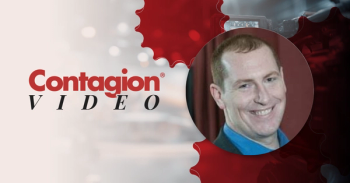
In this second segment of an interview with Contagion®, Gupta discusses what she saw in the patients in her hospital. Check out the interview segment below to understand further the presentation of the cytokine storm, the level of the inflammation, and lasting impressions of seeing severely sick patients at the beginning of the US pandemic.
In the first segment of her interview, Gupta discussed her findings in seeing multi-organ involvement in severely sick COVID-19 patients, and how they developed a diagnostic testing protocol called “COVID labs”. To see her first segment, click