|Articles|February 16, 2016

Zika Virus Could Bring on a Rare Neurological Disorder

There's more bad news about Zika, and it can affect anyone living in or visiting areas where the virus is ongoing.

There’s more bad news about Zika, and it can affect anyone living in or visiting areas where the virus is ongoing.

There are still a lot of unanswered questions about Zika. Emphasis has been put on protecting pregnant women from the virus due to strong evidence linking it to microcephaly, a congenital condition associated with incomplete brain development; but even that relationship has not been confirmed. A recent spike in individuals diagnosed with Guillain-Barré syndrome (GBS) in infected areas has lead officials to warn of a potential connection.

GBS is a neurological disorder in which the body’s immune system attacks itself and nerves. Symptoms can last from a few weeks and potentially cause long-term damage, but most people fully recover in a couple of weeks. For those who don’t fully recover, nerve damage can lead to paralysis and, in rare cases, even death. Only one in five people who get bitten by a Zika-infected mosquito actually get infected themselves, so the chance of developing this disorder is very rare. However, it shows that Zika is a hazard to the general public and not just pregnant women.

“In 2015, a 19% increase in GBS cases were reported in comparison to the previous year,” said a Zika situation report from the World Health Organization (WHO).

Incidences of GBS are on the rise in five of the 30 countries and regions with ongoing local Zika transmission: Brazil, Colombia, El Salvador, Suriname, and Venezuela. During the 2013 — 2014 Zika outbreak, there was an increase in GBS cases in French Polynesia.

It’s unknown what exactly triggers GBS, but it can develop from a viral or bacterial infection or after surgery. There is no cure for GBS, but therapies — such as plasma exchange, high-dose immunoglobulin therapy, and steroid hormones – can lessen its severity. Researchers continue to study the cause and course of the neurological condition.

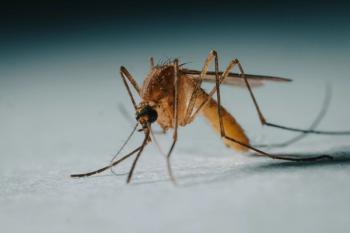
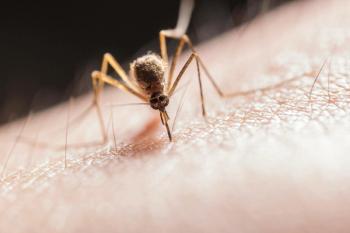
Now that Zika has been tied to another serious complication, mosquito control is even more important than ever.

“Prevention measures have become critical. There are concerns that the Zika virus may spread globally to environments where mosquitos can live and breed,” the WHO report said.

Related to this article

FAQ: What You Need to Know About West Nile Virus in 2026
After 2 adults died of West Nile virus in central North Carolina this month, this FAQ explains how the mosquito-borne virus spreads, who faces the greatest risk of severe neuroinvasive disease, and how clinicians can diagnose, manage, and help prevent infection when no vaccine or antiviral treatment exists.
FAQ: Shamonda Virus
As France confirms the first documented human Shamonda virus infection, a fatal encephalitis in a stem cell transplant recipient, this FAQ explains what the virus is, where it has spread, how the case was diagnosed, how the patient was likely infected and what clinicians should watch for.
ID Week Highlights Part 1
In this first IDWeek 2026 roundup, oral olorofim matched AmBisome in invasive aspergillosis, aztreonam-avibactam held activity as MBL-producing CRE rose, pritelivir cut hospitalizations in refractory HSV, and zelicapavir shortened RSV symptoms in high-risk adults.
Pfizer 25-Valent Pneumococcal Vaccine Boosts Serotype 3 Response in Infants
Alejandra Gurtman, MD, discussed the phase 2 data at IDWeek 2026 which showed the investigational 25-valent pneumococcal conjugate vaccine 25vPnC produced serotype 3 antibody levels about 15-fold higher than Prevnar 20 after the booster dose, targeting a serotype still behind 10.6% of invasive pneumococcal disease in US children younger than five years.


