Star Meat Delivery is recalling approximately 167,639 pounds of raw pork, beef, and goat products produced without federal inspection.
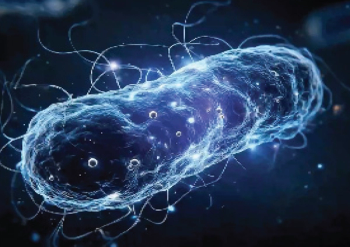
Since 2017 there have been 24 cases of Listeria associated with the outbreak, with no source of infection identified thus far.
The US Centers for Disease Control and Prevention (CDC) is working alongside several health agencies to investigate a
As of August 23, 2019, there have been 24 cases associated with the outbreak across 13 states. At this time health officials have not identified a particular source of infection.
A statement issued by the CDC reports that cases of Listeria associated with this outbreak were first confirmed in July 2017, with the most recent case confirmed on August 1, 2019. The ill individuals range in age from 35 to 92 years, with a median age of 72. According to available information, 22 of the ill individuals have been hospitalized and 2 patients died from their illness.
At this time the CDC is not recommending that any specific food product be avoided. Some foods are more likely to be contaminated with Listeria including lunch meats, cold smoked fish, and unpasteurized milk and milk products.
Currently, the Public Health Agency of Canada is also investigating an outbreak of Listeria monocytogenes in several provinces linked to cooked diced chicken. The CDC notes that whole genome sequencing indicates that the outbreak strain in Canada is closely related to the strain that is making individuals ill in the United States.
A
Symptoms of Listeria include fever, muscle aches, headache, stiff neck, confusion, loss of balance, and convulsions. Symptoms of invasive Listeria infections usually present 1 to 4 weeks following exposure and can be treated with antibiotics.
Listeria bacteria can persist at low temperatures and easily spread to other products and surfaces. Therefore, individuals who handle these products should wash their hands and regularly clean contact surfaces, equipment, and utensils.
This is an ongoing outbreak and the CDC will provide updates as more information becomes available.
For a list of states affected by the