|Articles|May 13, 2016

First Zika-related Case of Microcephaly Reported in the United States

Health officials in Puerto Rico have reported the first Zika-related case of microcephaly. The announcement comes on the heels of news of the first Zika-related death in the country just last week.

Health officials in Puerto Rico have reported the first Zika-related case of microcephaly. The announcement comes on the heels of news of the first Zika-related death in the country just last week.

The detection of this recent case is said to be a result of the “robust surveillance systems” that have been put into place in the country. According to the health department statement, the male fetus showed, "severe microcephaly and calcifications in the brain accompanied by Zika-wide presence of the virus."

Zika infection around the time of fetal conception or during pregnancy can result in stillbirths, a decrease in the total amount of brain tissue, which would result in microcephaly, brain damage due to calcium deposits in the brain, excess fluid in the brain, irregular development of one or both eyes, hearing impairments, and other effects.

On a May 12, 2016 teleconference on Zika infection during pregnancy and subsequent birth defects, Sonja A. Rasmussen, MD, MS, director of the CDC’s Division of Public Health Information Dissemination and editor in-chief of the Morbidity and Mortality Weekly Report noted that “although 4 in 5 Zika-infected adults are asymptomatic, the resulting complications in pregnant women and their fetuses are historical.”

The official statement from the Department of Health in Puerto Rico affirms that the country has 925 confirmed Zika cases, including in 128 pregnant women, and virtually all of the island's cases involve local transmission.

Last month, US Department of Health and Human Services (HHS) Secretary, Sylvia Burwell, visited Puerto Rico and announced that “20 health centers [throughout the country] would receive about $250,000 each” to strengthen efforts in responding to the Zika virus crisis in the country.

In addition, while Congressional funds remain in limbo, the Centers for Disease Control and Prevention (CDC) announced today that a total of $25 million in fiscal year 2016 funds will go to 53 states, cities, and territories at risk for Zika virus outbreaks.


Related to this article

Ebola and the Ongoing Tale of US Failures
In mid-May, as the world was still grappling with an unexpected hantavirus outbreak aboard a tourism vessel, news broke of an Ebola outbreak in the Ituri Province of the Democratic Republic of the Congo spanning at least 3 health zones, including Bunia, Rwampara, and Mongbwalu.
CDC Responds to Surge in Rabies Exposures
A "Clinician Outreach" from the Centers for Disease Control and Prevention (CDC) in April anticipated an increase in rabies exposures, and the striking surge in case reports this summer prompted a recent health advisory alert from the federal agency.
How The Food Safety Surveillance Infrastructure Works in the US
In the first episode of our news series looking at the food safety network, Lynette Johnston, PhD, offers insights into how the federal government surveillance infrastructure operates, and how epidemiologists serve as food detectives in determining bacterial pathogens and potential foodborne outbreaks.
This Week's Top 5 Infectious Disease News Stories: September 12-September 18, 2026
In this week's top infectious disease stories, a Pennsylvania teen became the state's fourth measles death in weeks, the CDC reported a 17% summer surge in rabies exposure calls, new research revisited whether cefepime raises mortality risk, a multihospital review examined ceftriaxone's safety after state alerts, and examining Legionella pneumonia diagnostics.
Measles Update: September 18, 2026
The latest CDC numbers show a 5.37% increase of measles cases from week-to-week. In Pennsylvania, the fourth measles-related death was reported in 2026. Additionally, the CDC has made a change in the way it will report deaths.
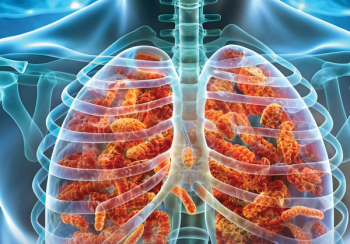
New Diagnositics for Legionella Pneumonia May Streamline Care Continuum
Reported cases of Legionnaires’ disease have been on the rise for the past decade, and identifying Legionella bacteria requires specialized testing in the microbiology lab. Here is a clinical overview of Legionella bacteria, including required testing, treatment, and reporting to public health officials.
Ceftriaxone Safety: Separating Signal From Risk
A retrospective multihospital study found that severe adverse events occurred at similarly low rates with ceftriaxone and other IV cephalosporins suggesting there is no evidence to support avoiding ceftriaxone despite recent health department safety alerts.