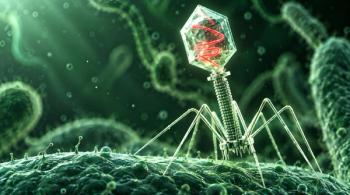
In early in vitro testing, a bacterial cellulose dressing loaded with bacteriophages reduced S aureus and P aeruginosa biofilms, and optimized versions reached 70% to 90% reductions.
The Peggy Lillis Foundation's CEO and Co-founder Christian Lillis discusses the organization's initiatives for C diff month, and offers a glimpse of the upcoming Scientific Symposium they are hosting next week.
Los Angeles has been experiencing this challenging bacteria in recent years with the potential of it becoming carbapenem-resistant in the future. Shaun Yang, PhD, D(ABMM), FIDSA, MLS(ASCP), provides commentary about his team's work in this area and the role of genomic sequencing to uncover this troublesome pathogen.
The antifungal pipeline currently contains 22 agents in the clinical program and many more in the pre-clinical program. Novel products in the clinical program are especially encouraging.
In the retrospective CEFTOX study of patients with trauma or brain injury receiving 6 g/d continuous-infusion cefepime, 44.4% had supratherapeutic concentrations (including 32.1% of those with augmented renal clearance) and 36% developed cefepime-induced neurotoxicity, and the authors say these findings support faster in-house therapeutic drug monitoring and a reassessment of current continuous-infusion doses.
Invivyd's investigational monoclonal antibody VYD2311 met all primary and secondary endpoints in an interim analysis of the phase 3 DECLARATION trial, and the company plans to file for FDA accelerated approval in the first quarter of 2027.
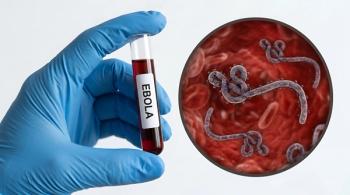
The Bundibugyo Ebola outbreak in DRC added 500 confirmed cases and 246 deaths in a week, CDC reports, as US entry restrictions for recent DRC travelers remain in place.
After the CDC declined to issue a health alert on measles in pregnancy, Karen Koscica, DO, FACOG, explains where clinicians can find guidance, the maternal and fetal risks of infection, and why women considering pregnancy should have their measles titers checked.