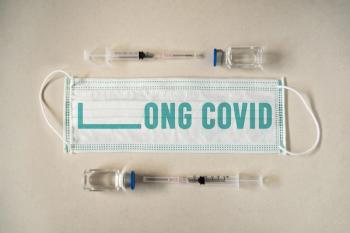
In a target trial emulation using N3C data, adults prescribed metformin within six days of SARS-CoV-2 infection had about half the risk of long COVID or death within six months.
RLF-100 is an investigational therapy granted an FDA IND this week and looks to treat moderate and severe cases of COVID-19.
Earlier this week, The US Food and Drug Administration (FDA) granted NeuroRx and Relief Therapeutics an Investigational New Drug (IND) permission to test their investigational therapy, RLF-100, for inhaled use in patients with moderate and severe
RLF-100 contains Vasoactive Intestinal Polypeptide (VIP), a natural occurring peptide in the body that has been shown to protect the lungs from SARS-CoV-2.
The FDA IND was granted after earlier results had been reported that RLF-100 provided rapid respiratory failure reduction in most clinically ill patients with COVID-19—at a time when independent research also showed it blocked replication of the virus in human lung cells and monocytes.
For the inhaled formulation of RLF-100, the first phase of their trial will commence with patients hospitalized for severe COVID-19 who do not yet have respiratory failure. If promising results are seen in the inpatient setting, the trial will expand to patients at home with mild and moderate COVID-19 in order to prevent the need for hospital admission.
In the first segment of his Contagion® interview, NeuroRx CEO and Chairman Jonathan Javitt, MD, MPH, provides an overview of the mechanism of action, the results they have seen thus far with the investigational therapy, and their next steps on the heels of the IND.