The US Centers for Disease Control and Prevention (CDC) has released an official health advisory warning of an increase in extensively drug-resistant shigellosis in the United States.
The CDC stated routine national surveillance revealed the increase in extensively drug-resistant (XDR) Shigella infections (shigellosis). In 2022, approximately 5% of shigellosis cases were caused by XDR strains, up from 0% in 2015.
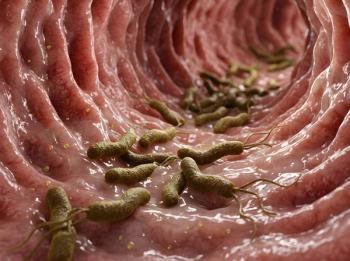
Shigellosis is an acute enteric infection caused by Shigella, a Gram-negative, facultative anaerobic, non-spore-forming, nonmotile, rod-shaped genus of bacteria. The bacteria is closely related to E coli, a notorious bacteria commonly found in the lower intestine.
In the US, shigellosis is a major cause of domestically acquired and travel-associated bacterial diarrhea. The inflammatory diarrhea can be bloody and may also cause fever, abdominal cramping, and tenesmus.
Shigella bacteria are transmitted by the oral-fecal route, either directly through person-to person contact (i.e., sexual contact), or indirectly via contaminated food, water, and other routes. Shigella infections are typically self-limiting, but the CDC notes antimicrobial treatment may be necessary to prevent complications and/or shorten the illness duration.
The CDC stated that Shigella bacteria are highly transmissible due to its low infectious dose of only 10-100 organisms. Unfortunately, antibiotic treatment options are limited. XDR Shigella can transmit its antimicrobial resistance to other enteric bacteria, heightening the risk to public health. Because of these serious concerns, the CDC is asking health care workers to vigilantly report cases of XDR shigellosis to health departments, as well as to continue educating patients at high risk of Shigella about best practices for prevention.
XDR Shigella bacterial infections are defined as strains that exhibit resistance to all commonly recommended empiric and alternative antibiotics; these include azithromycin, ciprofloxacin, ceftriaxone, trimethoprim-sulfamethoxazole (TMP-SMX), and ampicillin. There are currently no data from clinical studies of XDR Shigella, so the CDC does not have recommendations for optimal antibiotic treatment of these infections.