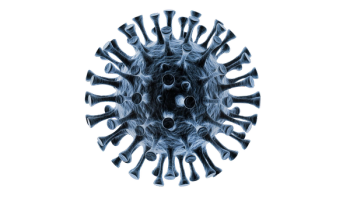
In the phase 3 LIBERTY study, the investigational monoclonal antibody, VYD2311, had significantly fewer adverse events than an mRNA COVID-19 vaccine, and it did not blunt vaccine-induced neutralizing titers when the two were given together.
Preliminary evidence indicates no direct evidence for intrauterine transmission of the SARS-CoV-2 virus from pregnant women with COVID-19 to their infants.
The growing spread of COVID-19 has created widespread concern and has become one of the most significant global public health problems in recent years. The etiologic agent, SARS-CoV-2 (initially termed 2019-nCoV for 2019 novel coronavirus) is a coronavirus belonging to the Betacoronavirus genus. Two other members of this genus have caused past outbreaks of human disease: severe acute respiratory syndrome (SARS) caused by SARS-CoV, and the Middle East respiratory syndrome (MERS) caused by MERS-CoV. As of
While there has been a quickly expanding knowledge base of the genetic, virologic, epidemiologic, and clinical aspects of this new coronavirus pathogen, an important and unanswered question is whether this virus can be transmitted during pregnancy, a process termed vertical transmission.
A
Four of 5 pregnancies resulted in preterm birth—1 spontaneous and 3 induction deliveries were performed for maternal conditions. Three women died during their pregnancy, representing a case fatality rate of 25%. MERS is also associated with adverse obstetrical outcomes. A
On February 12, 2020 a
Four infants were born prematurely, but none were born earlier than 36 weeks of gestation. The presence of SARS-CoV-2 was evaluated in samples of amniotic fluid, umbilical cord blood, neonatal throat swabs and breast milk that were taken in the delivery room from 6 patients. Testing for SARS-CoV-2 utilizing rt-PCR assays were all negative, and there was no evidence for intrauterine viral transmission among these newborns.
A February 25, 2020,
During the COVID-19 epidemic,
Similar to the obstetrical outcomes previously described among pregnant women who developed SARS and MERS, at the present time there is no direct evidence for maternal-fetal transmission of SARS-CoV-2. However, the number of cases investigated so far is small, and the published study had a short investigation, and is restricted to women developing SARS-CoV-2 infection in the third trimester. Additional attention will need to focus on the clinical obstetrical and neonatal outcomes of women who develop COVID-19 during pregnancy. It is important to remember that pregnant women can have
Schwartz is a clinical professor at the Medical College of Georgia and specializes in global maternal health. He is involved with public health and transmission aspects of such emerging infectious diseases as Zika and Ebola viruses as they affect pregnant women and infants. He is a member of Contagion®’s Editorial Advisory Board.