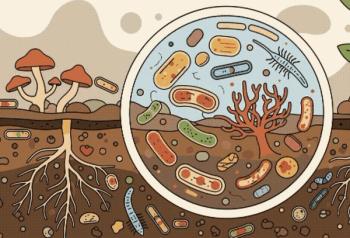
Widespread antimicrobial use disrupts vital microbial communities that regulate Earth’s biogeochemical cycles, driving antimicrobial resistance, worsening human and environmental health, and significantly contributing to climate change.
From 2001 to 2010, the infection rate of a particular intestinal "superbug" has doubled, with increases in mortality rates and length of hospital stays reflecting this trend.
From 2001 to 2010, the infection rate of an intestinal superbug has doubled, with increases in mortality rates and length of hospital stays reflecting this trend, suggested research in the American Journal of Infection Control (AJIC).
Clostridium difficile (C. difficile) infections, which commonly induce diarrhea, has become a public health concern. Linked to 14,000 deaths annually, C. difficile is the top bacteria responsible for healthcare-associated infections.
Alarmingly, over-prescription of antibiotics is highly culpable for the increase of infections. According to the Centers for Disease Control and Prevention (CDC), a 30% decrease in the use of high-risk, broad-spectrum antibiotics would lower C. difficile infections (CDI) by 26%. As a result, the White House has prioritized re-educating clinicians on antibiotics, an Elsevier statement noted.
For their study, researchers conducted an analysis of US National Hospital Discharge Surveys from 2001-2010, and honed in on records involving CDIs.
Of the 2.2 million CDI discharges occurring during the study period, 33 and 67% of patients were treated for primary and secondary CDI, respectively.
“The overall in-hospital mortality rate was 7.1% (n=154,184) for the study period. Mortality increased slightly over the study period, from 6.6% in 2001 to 7.2% in 2010. Median hospital LOS was 8 days (interquartile range, 4-14 days), and remained stable over the study period,” the authors wrote.
Furthermore, lead author Kelly Reveles, PharmD, PhD said they found 2008 was the peak for CDI, with only a minor decline through 2010. Reveles attributed the decline to improved education new programs involving antibiotic prescription, infection control, and hygiene.
“The results of our study underscore the importance of directing resources to the prevention of CDI, as well as developing public policy for reducing the incidence of these in infections in hospitals worldwide,” the investigators said.
almost 12 years ago
New Study Provides Hope for Chronic Lyme Disease Sufferersalmost 12 years ago
New Line of HIV Treatment Identified for Patients Ineligible for Efavirenzalmost 12 years ago
Tenofovir Plus Interferon Improves Antigen Clearance in Chronic Hepatitis Balmost 12 years ago
Researchers Grow Human Norovirus Culturealmost 12 years ago
DNA Sequencing Could Lead to More Accurate Pneumonia Diagnosisalmost 12 years ago
Age-related Diseases Don't Occur Earlier in HIV-infected Patients