|Articles|June 11, 2018

Emerging Candida Species Found to be Capable of Causing Major Outbreaks in Health Care Facilities

Emerging Candida species prove capable of virulent spread in health care facilities, leading to outbreaks.

Emerging Candida species prove capable of virulent spread in health care facilities, leading to outbreaks, according to new research presented at the 2018 ASM Microbe meeting in Atlanta, Georgia.

Although Candida auris may be the most talked about nightmare multidrug-resistant yeast in recent years, other species of the same phylogenetic clade—C haemulonii and C duobushaemulonii—have been found to be resistant to several classes of antifungal medications. Furthermore, some labs systems misidentify C auris and C duobushaemulonii as C haemulonii.

Research has shown that the incidence of these 2 pathogens is increasing, giving way to concerns they could become global health threats. As a result, an international team of investigators conducted an analysis of isolates from 5 countries (United States, Venezuela, Colombia, Guatemala, Israel) and different hospitals in Panama to determine the true danger of these pathogens.

Using whole-genome sequencing (WGS), the team analyzed a total of 28 isolates of C haemulonii from 5 countries and 47 isolates of C duobushaemulonii from 4 countries, according to the study abstract. “Multiple isolates from the same patients and strains from patients admitted to the same hospital were included to assess diversity within the same person and health care facility.” The team also collected epidemiological data on the isolates (geographic region and type or site of the infection) when the information was available.

The results of the analysis indicated that 0 single nucleotide polymorphisms (SNPs) were found in multiple isolates that were sampled from the same patient for both pathogens. Among the isolates from different patients across all geographic areas, “hundreds of SNPs were detected,” study authors wrote. These findings indicate independent acquisition of infection.

In 1 hospital in Panama, however, the investigators detected clonally related isolates of both pathogens that differed by <50 SNPs. This hospital had previously reported a suspected outbreak of C duobushaemulonii bloodstream infections. Indeed, the majority of the isolates from this hospital were from blood, while the majority of the global isolates were from wound infections.

According to the study authors, “These results indicate that although we are not yet seeing the widespread global emergence of C haemulonii and C duobushaemulonii both species can spread within the health care facilities and may potentially cause outbreaks.”

As Contagion® previously reported, contamination with C auris was found to be high among hospitals in Colombia. Investigators found that widespread contamination could occur on hospital surfaces such as beds, equipment, sinks, and alcohol gel dispensers. This contamination and colonization of patients were found to be facilitating the spread of the pathogen throughout hospitals in the country. It stands to reason that the same could be said about C haemulonii and C duobushaemulonii, underscoring the need for intensified infection control and disinfection strategies, particularly in those institutions who have detected the presence of these pathogens to curb further spread.


Related to this article

How The Food Safety Surveillance Infrastructure Works in the US
In the first episode of our news series looking at the food safety network, Lynette Johnston, PhD, offers insights into how the federal government surveillance infrastructure operates, and how epidemiologists serve as food detectives in determining bacterial pathogens and potential foodborne outbreaks.
Ebola and the Ongoing Tale of US Failures
In mid-May, as the world was still grappling with an unexpected hantavirus outbreak aboard a tourism vessel, news broke of an Ebola outbreak in the Ituri Province of the Democratic Republic of the Congo spanning at least 3 health zones, including Bunia, Rwampara, and Mongbwalu.
This Week's Top 5 Infectious Disease News Stories: September 12-September 18, 2026
In this week's top infectious disease stories, a Pennsylvania teen became the state's fourth measles death in weeks, the CDC reported a 17% summer surge in rabies exposure calls, new research revisited whether cefepime raises mortality risk, a multihospital review examined ceftriaxone's safety after state alerts, and examining Legionella pneumonia diagnostics.
Measles Update: September 18, 2026
The latest CDC numbers show a 5.37% increase of measles cases from week-to-week. In Pennsylvania, the fourth measles-related death was reported in 2026. Additionally, the CDC has made a change in the way it will report deaths.
CDC Responds to Surge in Rabies Exposures
A "Clinician Outreach" from the Centers for Disease Control and Prevention (CDC) in April anticipated an increase in rabies exposures, and the striking surge in case reports this summer prompted a recent health advisory alert from the federal agency.
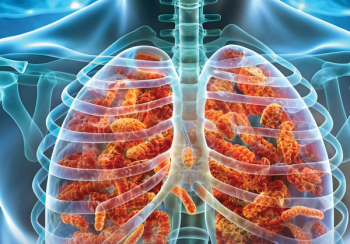
New Diagnositics for Legionella Pneumonia May Streamline Care Continuum
Reported cases of Legionnaires’ disease have been on the rise for the past decade, and identifying Legionella bacteria requires specialized testing in the microbiology lab. Here is a clinical overview of Legionella bacteria, including required testing, treatment, and reporting to public health officials.
Ceftriaxone Safety: Separating Signal From Risk
A retrospective multihospital study found that severe adverse events occurred at similarly low rates with ceftriaxone and other IV cephalosporins suggesting there is no evidence to support avoiding ceftriaxone despite recent health department safety alerts.