Outcomes from treating orthopedic infection with debridement and implanted antibiotic were similar whether followed by short or standard duration of systemic antibiotic.
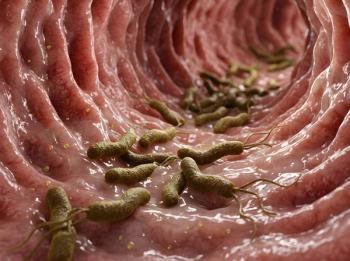
A recent study lead by researchers from the University of Freiburg analyzed the occurrence of carbapenemase-producing Klebsiella pneumoniae and Escherichia coli in European hospitals.
A recent
“We report data on the occurrence of carbapenemase-producing and last-line antibiotic resistant K. pneumoniae and E. coli using standardised procedures, and provide the first comparable and laboratory-substantiated data on the incidence of these difficult-to-treat bacteria across Europe,” write Hajo Grundmann, MD, from the University of Freiburg, Germany, and colleagues.
Enterobacteriaceae are normal inhabitants of the gastrointestinal tract and are among the most common human pathogens, causing urinary tract infections, septicemia, pneumonia, and device-associated infections, among others. These bacteria can easily spread between people by hand contact, as well as via contaminated food and water, and can cause infections in both healthcare and community settings.
Carbapenemase-producing Enterobacteriaceae (CPE) are Enterobacteriaceae that are resistant to carbapenem antimicrobials through the production of carbapenemase. Treatment of infections involving CPE is difficult because these organisms are resistant to many antibiotics that are considered the last line of defense. Given their rising numbers in clinical specimens obtained from human patients, CPE represent one of the most serious public health threats worldwide.
In 2012, the European Centre for Disease Prevention and Control (ECDC) initiated the European Survey on Carbapenemase-Producing Enterobacteriaceae (EuSCAPE), to investigate the occurrence of CPE in Europe and thus facilitate expansion of laboratory capabilities to meet required diagnostic workflow needs.
Between Nov 1, 2013, and April 30, 2014, 455 hospitals from 36 European countries contributed to the survey, submitting a total of 2,703 clinical isolates. K. pneumoniae of nosocomial origin were most commonly isolated, accounting for 85% (n=2,301) of the specimens, while E. coli accounted for the remaining 15% (n=402); 37% (n=850) of the K. pneumoniae isolates and 19% (n=77) of the E. coli isolates were carbapenemase producers.
The ratio of K. pneumoniae to E. coli was 11:1. Overall, the survey showed that clinical specimens from 1.3 patients per 10,000 hospital admissions had CPEs. Carbapenemase-producing K. pneumoniae isolates also showed high resistance to last-line antibiotics.
According to the authors, the prevalence of CPEs varied greatly between countries, with the highest rates found in Mediterranean and Balkan countries.
“We found a clear association with health care,” they add, “since most isolates were either acquired in hospital, often associated with intensive care treatment, or isolated from patients with previous hospital admission.”
Acknowledging the encouraging commitment shown by all participants in this initiative, Dr Grundmann and colleagues emphasize that this study suggests that challenges in creating a widespread, enhanced sentinel surveillance for carbapenemase-producing Enterobacteriaeceae can be overcome. The EuSCAPE initiative created a European network of national reference laboratories and expert laboratories to provide information for monitoring incidence and spread of carbapenemases among Enterobacteriaeceae, as well as the spread of CPE.
“Strengthening infection control efforts in hospitals is crucial for controlling spread through local and national health care networks,” the authors conclude.
Dr. Parry graduated from the University of Liverpool, England in 1997 and is a board-certified veterinary pathologist. After 13 years working in academia, she founded Midwest Veterinary Pathology, LLC where she now works as a private consultant. She is passionate about veterinary education and serves on the Indiana Veterinary Medical Association’s Continuing Education Committee. She regularly writes continuing education articles for veterinary organizations and journals, and has also served on the American College of Veterinary Pathologists’ Examination Committee and Education Committee.