Long COVID affects millions of individuals worldwide, with symptoms persisting for more than 12 weeks after the initial infection. Among the various challenges faced by patients, cognitive impairments, particularly in executive function (EF), are emerging as significant barriers to daily living. A recent systematic review in Cell Reports explored the correlation between EF deficits and brain alterations in individuals with Long COVID.1
The review synthesized findings from 31 studies, and found that patients with Long COVID often experience impairments in EF, including difficulties with shifting, inhibition, and working memory. These impairments led to challenges with nonverbal reasoning, executive aspects of language, and recall, which significantly affected their ability to manage daily tasks. Notably, time pressure exacerbated these cognitive difficulties, particularly in tasks assessing shifting and inhibition, such as the Trail Making Test B (TMT-B) and the Wisconsin Card Sorting Test (WCST).1
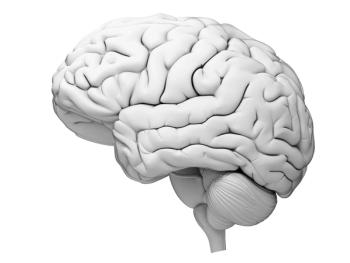
Neuroimaging studies further supported these findings, showing that EF deficits in Long COVID patients were linked to disruptions in brain regions responsible for these cognitive functions. Alterations were observed in the frontal and cerebellar regions, which are crucial for EF. Specific changes included reduced gray matter thickness in the orbitofrontal cortex, involved in decision-making and goal-directed behavior, and hypermetabolism in the cerebellum. These structural and functional changes suggest the neuroinflammatory effects of COVID-19 on the brain, potentially contributing to persistent cognitive impairments.
“EF is frequently highlighted for several reasons,” the investigators said, citing the possibility that the virus directly affects the central nervous system during the acute phase, leading to neuroinflammation and damage to the brain areas that govern EF. This damage, the authors suggest, could be one of the reasons why EF deficits are common among Long COVID patients, even months after recovery from the initial infection.
In addition to the direct impact on cognitive processes, the study also emphasizes how these EF impairments contribute to further challenges for Long COVID patients, including increased stress, anxiety, and depression. These psychological symptoms are believed to exacerbate cognitive difficulties, creating a vicious cycle that hinders recovery.1