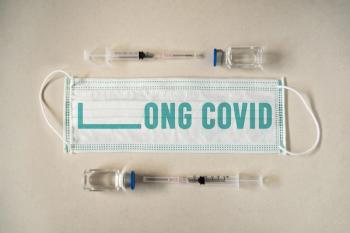
In a target trial emulation using N3C data, adults prescribed metformin within six days of SARS-CoV-2 infection had about half the risk of long COVID or death within six months.
After voting against recommendation of a booster dose for people 16 years and older, the committee created a new question to vote on an EUA for a booster dose for people 65 years and older and those at high risk of COVID-19. They voted 18-0 in favor.
After deciding to
The question posed to the committee was:
Based on the totality of scientific evidence available including the safety and effectiveness data from clinical trial C4591001 do the known and potential benefits outweigh the known and potential risks of a Pfizer-BioNTech COVID-19 Vaccine booster administered at least 6 months after completion of the primary series for use in:
Committee members voiced their concerns about the lack of data to feel comfortable with having such a large amount of the American population eligible for the booster dose.
After the second vote, Peter Marks, MD, PhD, director of the FDA’s Center for Biologics Research and Evaluation, asked the committee for their opinion on health care workers and the booster dose.
They decided to pose a poll question to the committee about this group. The specific question was: should healthcare workers or others at high risk for occupational exposure be included in this EUA?
The committee voted 18-0 in favor of including healthcare workers.