|Articles|December 21, 2022

Contagion

  • Contagion, December 2022 (Vol. 07, No. 6)
  • Volume 7
  • Issue 6

Flu and RSV and Amoxicillin? Oh My!

Editor-in-Chief Jason Gallagher discusses the surging number of cases of influenza and RSV while there is a concomitant shortage of amoxicillin suspension.

One would think that if ever there is a lesson to be learned from COVID-19, it is to respect the ability of viruses to give us respiratory infections. Viruses are the most common cause of both upper and lower respiratory tract infections, and they are roaring back this year. Tangentially relevant is a concomitant shortage of amoxicillin suspension that is occurring as both respiratory syncytial virus (RSV) and influenza cases have surged ahead of the winter season. Pediatricians and parents may be in line for a rough winter.

Clinicians should not be surprised by these surging viruses, even if the public is caught off guard. The attention paid to social distancing and masking indoors had the pleasant side effect of decreasing infections caused by other respiratory viruses; for example, there was almost no 2020-2021 influenza season. However, now we may be paying the price for that delayed exposure. Vaccination is available to prevent or attenuate influenza infection, but RSV is a different story.

RSV infection occurs in most children by the time they are 2 years old and is most serious in children under 6 months of age, of whom the Centers for Disease Control and Prevention estimates that 1% to 2% may need hospitalization.1

If a proportion of those infections have been deferred until the present, when masking has become uncommon and most COVID-19–related precautions have been dropped, then health care resources can be overwhelmed.

Coincidental to this is a shortage of amoxicillin that is expected to worsen before it gets better.2 Although amoxicillin obviously has no benefit for the treatment of viral infections, bacterial coinfection among children with RSV is a clinical concern. How much of a concern is difficult to gauge, as estimates of coinfection wary widely and are best described in children who are sick enough to require hospitalization, where estimates range widely but are significant. However, the American Academy of Pediatrics does not recommend antibiotics in the treatment of bronchiolitis (most frequently caused by RSV) without evidence of concomitant bacterial infection,3 and “just-in-case” prescribing may compound the shortage. The only effect of antibiotics on most children with RSV is diarrhea.

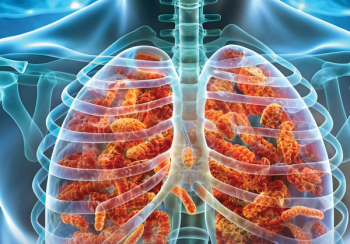
In the short-term, relief is lacking. The shortages are likely to continue into early 2023 and may spread to other alternative agents if demand outstrips supply.4 Appropriate diagnosis is key here. However, the longer term is promising because multiple vaccines for RSV are entering or completing late-stage trials, including for seniors, pregnant women, and children.5-7 We are closer to availability for older adults than children, and young children do not have the same immune systems as adults, but with appropriate antigen targets identified and multiple vaccine candidates under study, there is reason for hope.

References

1. RSV in infants and small children. Centers for Disease Control and Prevention. Updated October 28, 2022. Accessed November 8, 2022. https://www.cdc.gov/rsv/high-risk/infants-young-children.html

2. Amoxicillin oral presentations. American Society of Health-System Pharmacists. October31, 2022. Accessed November 8, 2022. https://www.ashp.org/drug-shortages/current-shortages/drug-shortage-detail.aspx?id=875&loginreturnUrl=SSOCheckOnly

3. Ralston SL, Lieberthal AS, Meissner HC, et al; American Academy of Pediatrics. Clinical practice guideline: the diagnosis, management, and prevention of bronchiolitis. Pediatrics. 2014;134(5):e1474-e1502. Published correction appears in Pediatrics. 2015;136(4):782.

4. SIDP statement on amoxicillin shortages and respiratory virus infections in the United States. Society of Infectious Diseases Pharmacists. November 4, 2022. Accessed November 8, 2022.https://sidp.org/news/12978701

5. Parkinson J. Investigational RSV vaccine for seniors demonstrates efficacy and safety. ContagionLive. October 23, 2022. Accessed November 8, 2022. https://www.contagionlive.com/view/investigational-rsv-vaccine-for-seniors-demonstrates-efficacy-and-safety

6. Parkinson J. Pfizer announce positive data on RSV vaccine for pregnant mothers. ContagionLive. November 1, 2022. Accessed November 8, 2022.https://www.contagionlive.com/view/pfizer-announce-positive-data-on-rsv-vaccine-for-pregnant-mothers

7. Moderna initiates phase 3 portion of pivotal trial for MRNA respiratory syncytial virus (RSV) vaccine candidate, following independent safety review of interim data. Press release. Moderna, Inc. February 22, 2022. Accessed November 8, 2022. https://investors.modernatx.com/news/news-details/2022/Moderna-Initiates-Phase-3-Portion-of-Pivotal-Trial-for-mRNA-Respiratory-Syncytial-Virus-RSV-Vaccine-Candidate-Following-Independent-Safety-Review-of-Interim-Data/default.aspx


Related to this article

New Diagnositics for Legionella Pneumonia May Streamline Care Continuum
Reported cases of Legionnaires’ disease have been on the rise for the past decade, and identifying Legionella bacteria requires specialized testing in the microbiology lab. Here is a clinical overview of Legionella bacteria, including required testing, treatment, and reporting to public health officials.
REMAP-CAP and the Tamiflu “Pre-Release”: A Set-Up for Disaster
Preliminary REMAP-CAP data suggesting oseltamivir may increase mortality in critically ill ICU influenza patients has sparked polarized reactions, but clinicians should await the full peer-reviewed manuscript before drawing broad conclusions, since the signal comes from a narrow, severely ill population and may reflect a therapeutic window effect rather than a blanket lack of efficacy.
FAQ: Rising Rabies Exposure Calls PEP Decisions Back in Focus
Following World Rabies Day and a CDC health advisory on a 17% rise in exposure-related calls, Rodney E. Rohde, PhD, explains what the increase means, what people should do when they have an animal bite or scratch, and how clinicians should assess risk and administer post-exposure prophylaxis (PEP).